That headline is a bit misleadingly absolute—many people do live well past 80, and global life expectancy has been rising. But statistically, a large share of people don’t go much beyond that age because of a few major, overlapping health factors.
Here are four big reasons:
1) Cardiovascular disease is still the leading limiter of lifespan
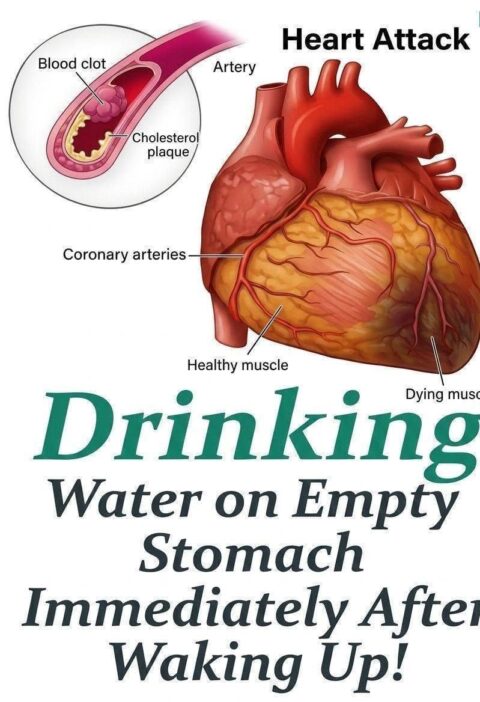
Conditions like heart attacks and strokes remain the most common causes of death in older adults. Over decades, blood vessels stiffen, blood pressure rises, and plaque builds up, increasing risk even in people who felt “healthy” earlier in life. Cardiovascular disease
2) Cancer risk accumulates with age
Cancer risk increases over time because cells accumulate DNA damage and the body’s repair systems become less efficient. Even with better screening and treatment, many cancers are still more likely to appear in later life and can be harder to treat at advanced ages. Cancer
3) Metabolic diseases quietly damage multiple organs
Long-term conditions like diabetes contribute to kidney disease, nerve damage, vision loss, and higher cardiovascular risk. These effects build slowly, so complications often show up in later decades of life and reduce overall longevity. Type 2 Diabetes
4) Frailty, brain aging, and infections become harder to recover from
Aging affects muscle mass, balance, immunity, and brain function. Falls, pneumonia, and dementia-related decline become more dangerous because recovery reserves are lower. Neurodegenerative diseases also progressively reduce independence and resilience. Alzheimer’s disease
Bottom line:
It’s usually not a single cause, but the combined effect of long-term wear on the heart, metabolism, brain, and immune system that makes survival beyond 80 less common—though certainly not rare, and increasingly achievable in many countries.