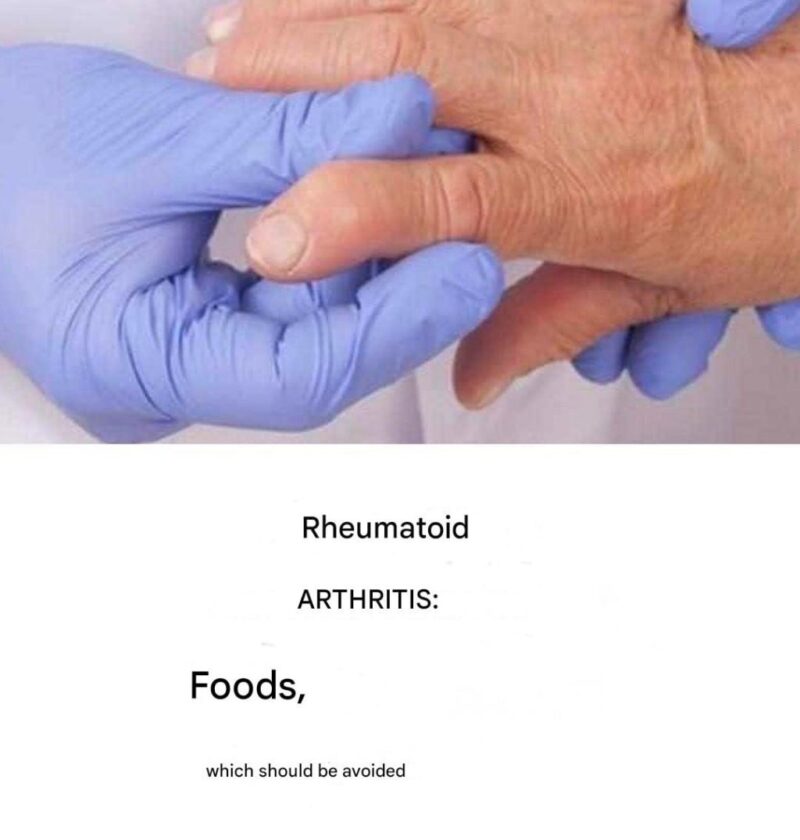
Living with Rheumatoid arthritis can affect daily life in ways that go far beyond joint pain. It’s a chronic autoimmune condition, so symptoms often fluctuate—good days and flare-ups can feel very different from each other, which makes planning and consistency difficult.
Daily physical challenges
One of the most common issues is morning stiffness. Joints—often in the hands, wrists, knees, or feet—can feel tight and painful after rest, sometimes lasting for hours. Simple tasks like gripping a toothbrush, opening jars, or walking comfortably can take extra effort.
Pain and swelling can vary throughout the day. During flare-ups, even light activity may feel exhausting. Some people also experience reduced range of motion, which can make routine movements slower or awkward.
Fatigue that isn’t “normal tiredness”
A major but less visible symptom is deep fatigue. This isn’t just sleepiness—it can feel like the body has no energy reserve at all. It may not improve much even after rest, and it can interfere with work, social life, and motivation.
Impact on work and independence
Tasks that require repetition or fine motor skills (typing, writing, cooking, cleaning) can become difficult. Some people need to modify their job duties, reduce hours, or take more breaks. This can create frustration or financial pressure, especially when the condition is unpredictable.
Emotional and mental strain
Chronic illness often brings emotional stress, including frustration, anxiety, or low mood. The unpredictability of symptoms can make it hard to make plans or feel in control. Over time, this can affect confidence and social engagement.
Sleep disruption
Pain and stiffness can interfere with sleep quality. Poor sleep then worsens fatigue and pain the next day, creating a difficult cycle.
Treatment routine and side effects
Managing the condition often involves long-term medication such as Methotrexate or pain relief options like Ibuprofen (for symptom control in some cases). These can help reduce inflammation and pain, but may come with side effects and require regular monitoring.
People may also need blood tests, doctor visits, and adjustments to treatment plans over time, which adds another layer of routine and responsibility.
Coping in everyday life
Many people adapt through small but important strategies:
- Pacing activities instead of doing everything at once
- Using assistive tools (jar openers, ergonomic handles, supportive shoes)
- Gentle movement or low-impact exercise to keep joints flexible
- Heat or cold therapy during flare-ups
- Planning around energy levels rather than fixed schedules
If you want, I can break this down further into work challenges, family life, or pain management strategies, or explain what a typical “good day vs flare day” looks like in more detail.