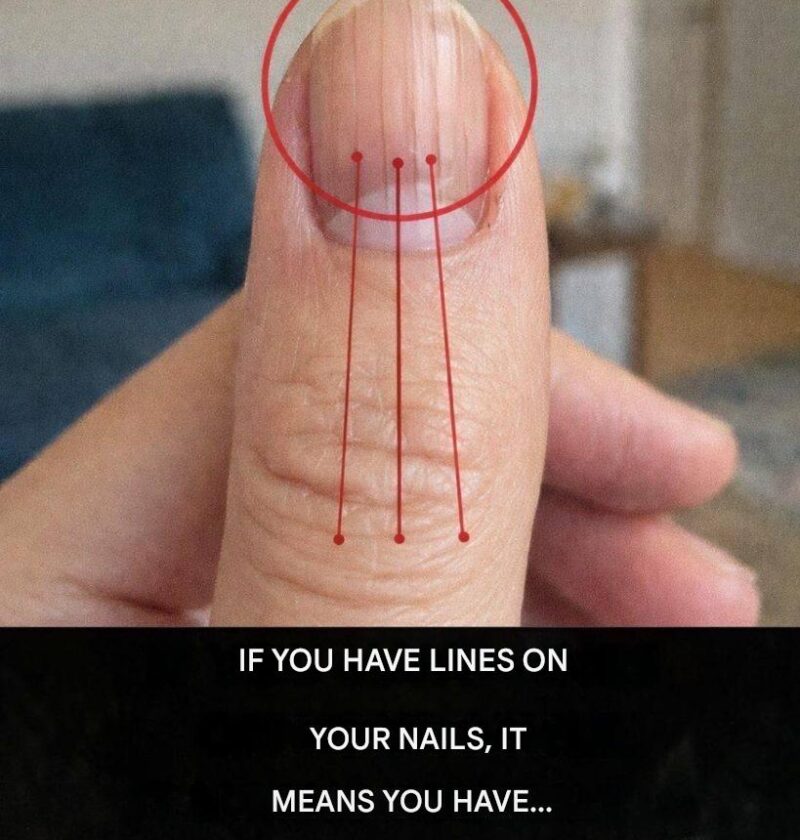
Nail Lines and Ridges – What Your Nails May Be Telling You About Overall Health
Why Nails Can Reflect Your Health
Your nails are made of a protein called keratin and grow from cells at the nail matrix. Because nail growth is influenced by nutrition, circulation, and overall health, changes in nails can sometimes reflect what is happening inside the body.
However, nail changes are not specific diagnostic tools. Many variations are harmless and related to aging, lifestyle, or minor trauma.
Understanding Different Types of Nail Lines
Nail lines can appear in several forms, and each type may have different possible explanations.
1. Vertical Nail Ridges (Most Common and Usually Harmless)
Vertical ridges run from the cuticle to the tip of the nail.
They are commonly linked to:
- Natural aging process
- Mild dehydration of nails
- Frequent hand washing or exposure to chemicals
- Minor nutrient variations
In most cases, these ridges are normal and not a cause for concern.
2. Horizontal Lines (Beau’s Lines)
Horizontal indentations across the nail are known medically as Beau’s lines.
They may appear after:
- A period of physical stress or illness
- High fever or infection
- Temporary interruption of nail growth
- Major surgery or trauma
These lines grow out as the nail grows, reflecting a past event rather than an active disease.
3. White Lines or Spots (Leukonychia)
White marks or streaks on nails are often harmless and may be caused by:
- Minor nail trauma
- Nail biting or pressure
- Mild zinc or calcium imbalance (in some cases)
They usually grow out naturally over time.
4. Dark Lines or Streaks
Dark vertical streaks should always be observed carefully.
Possible causes include:
- Benign pigmentation (especially in darker skin tones)
- Repeated trauma
- In rare cases, serious underlying conditions
Because of this variation, persistent dark streaks should be evaluated by a healthcare professional.
5. Brittle or Weak Nails with Lines
When nail lines are accompanied by brittleness, it may relate to:
- Frequent exposure to water or chemicals
- Low moisture levels in nails
- Nutritional imbalance
- Thyroid-related changes in some cases
A holistic evaluation is often needed if symptoms persist.
Possible Health Connections (Not Diagnoses)
Changes in nail appearance can sometimes be seen alongside conditions affecting overall health, including:
- Nutritional deficiencies (iron, zinc, protein)
- Thyroid function changes
- Circulatory issues
- Skin conditions like eczema or psoriasis
One condition sometimes discussed in relation to nail changes is Iron Deficiency Anemia, which may contribute to brittle or spoon-shaped nails in some cases.
However, nail appearance alone is never enough for diagnosis.
Common Non-Medical Causes of Nail Lines
Many nail changes come from everyday habits:
- Frequent use of nail polish or remover
- Excessive hand washing or sanitizer use
- Aging process
- Minor repeated trauma (typing, cleaning, biting nails)
- Cold or dry weather
When Nail Changes Should Be Checked by a Doctor
You should consider medical advice if you notice:
- Sudden or deep horizontal lines
- Dark streaks that change in size or color
- Nail separation from the nail bed
- Pain, swelling, or infection around nails
- Persistent changes across multiple nails
How to Support Healthy Nails Naturally
- Maintain a balanced diet with protein and minerals
- Stay hydrated
- Use moisturizers or cuticle oils
- Avoid harsh chemical exposure
- Wear gloves during cleaning tasks
- Avoid nail biting or picking
Healthy nails often reflect overall lifestyle habits.
Final Perspective
Nail lines are usually normal and harmless, especially vertical ridges that come with age. Some patterns may reflect past stress or temporary changes in the body, but they are not reliable diagnostic tools on their own.
If nail changes are sudden, severe, or persistent, a medical evaluation is the safest approach.
Sources
- American Academy of Dermatology (AAD) – Nail Health and Disorders
- Mayo Clinic – Nail Abnormalities Overview
- NHS UK – Nail Changes and What They Mean
- Cleveland Clinic – Beau’s Lines and Nail Conditions
Part 2: Simple Nail Care Routine for Healthy Appearance
Daily Care Steps
- Keep nails clean and dry
- Moisturize hands and cuticles
- Trim nails regularly
- Avoid biting or picking nails
Weekly Care
- Gentle nail filing
- Oil massage (coconut or cuticle oil)
- Limit harsh chemical exposure
Lifestyle Support
- Eat protein-rich foods
- Stay hydrated
- Maintain balanced vitamins and minerals