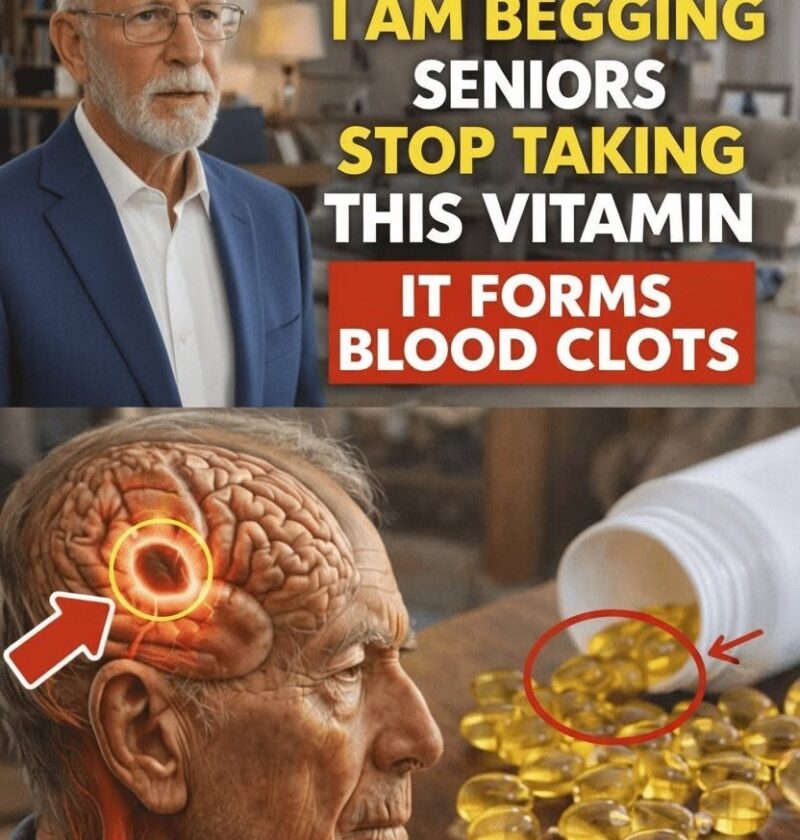
Maintaining good nutrition is an important part of healthy aging, but more vitamins are not always better. For most older adults, the goal is to correct deficiencies and avoid unnecessary high-dose supplements.
Vitamins and stroke risk
- Vitamin E: High-dose vitamin E supplements (often 400 IU/day or more) have been associated in some studies with a small increase in the risk of hemorrhagic (bleeding) stroke. Vitamin E from foods such as nuts, seeds, and vegetable oils is not linked to this risk.
- Vitamin K: Vitamin K does not cause strokes, but it can affect how warfarin works. If you take warfarin, keep your vitamin K intake consistent rather than avoiding it.
- B vitamins (B6, B12, folate): These are important for nerve function and can lower homocysteine levels if you have a deficiency, but taking extra B vitamins has not consistently been shown to prevent strokes in people without deficiencies.
- Vitamin D: Vitamin D is important for bone and muscle health. Current evidence does not show that taking vitamin D supplements alone significantly reduces stroke risk in the general population.
Supporting brain health
Healthy habits with the strongest evidence include:
- Eating a diet rich in fruits, vegetables, whole grains, legumes, fish, and healthy fats (such as a Mediterranean-style diet).
- Staying physically active.
- Controlling blood pressure, cholesterol, and diabetes.
- Not smoking and limiting alcohol.
- Getting adequate sleep and staying socially and mentally engaged.
Before taking supplements
Older adults should discuss supplements with a healthcare professional, especially if they:
- Take blood thinners or multiple medications.
- Have kidney or liver disease.
- Plan to take doses above the recommended daily allowance.
The best approach is to use supplements to treat confirmed deficiencies or specific medical needs, rather than assuming that higher doses will improve brain health or reduce stroke risk.