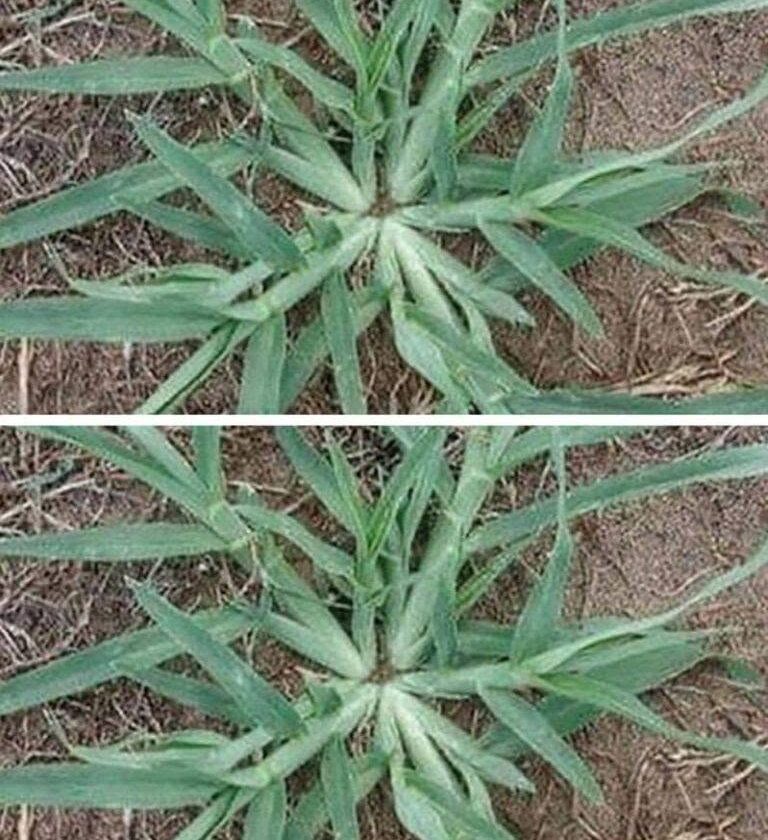
That line is another classic clickbait warning. It usually refers to a plant that’s either medicinal, common, or misunderstood as a weed—and the post exaggerates its importance to get attention.
But the truth is: there is no single “mysterious plant” you must never uproot everywhere. It depends entirely on the species.
🌱 Why these posts exist
They usually target plants that are:
- Common “weeds” people remove (like medicinal herbs)
- Traditional plants used in folk medicine
- Or sometimes just harmless garden plants
The headline is designed to make you think:
“I might be destroying something valuable!”
🌿 Examples of plants often used in such claims
In South Asia, these types are commonly misrepresented:
- Dandelion (nutrient-rich, edible leaves)
- Purslane (high in omega-3, often treated as a weed)
- Plantain weed (used in traditional remedies)
These are not dangerous if removed—but they are useful plants in some contexts.
⚠️ Important reality check
- Most garden “weeds” are not harmful
- Some are edible or medicinal, but not essential to keep
- Some can actually be invasive and harmful to other plants
So the idea of “never uproot this plant” is not scientifically valid as a universal rule.
🧠 What actually matters
Instead of fear-based rules, consider:
- Is the plant harmful or invasive?
- Do I recognize it correctly?
- Do I actually need or want it in my garden?
👍 Bottom line
There is no magical plant you must never uproot everywhere. These posts are usually exaggerated to drive clicks, not to give reliable gardening advice.
If you want, you can send a photo of the plant you’re seeing—I can tell you exactly what it is and whether it’s useful, edible, or just a weed.