That kind of headline is misleading.A colonoscopy is still, by definition, an invasive procedure—and there is no “new method” that has made it non-invasive in standard medical practice.Here’s what’s actually going on:
🧪 What a colonoscopy really is
A colonoscopy uses a thin, flexible camera inserted through the rectum to examine the colon. It is used to detect:
- polyps
- cancer
- inflammation
It is considered invasive because:
- a scope is physically inserted into the body
- sedation is often used
- the bowel must be prepared beforehand
🆕 Why you’re seeing headlines like this
These articles usually confuse colonoscopy with newer or alternative screening methods:
1. 🧬 Stool DNA tests (non-invasive screening)
Example: Cologuard test
- done at home with a stool sample
- can detect blood and DNA markers of cancer risk
- NOT a replacement for colonoscopy if results are positive
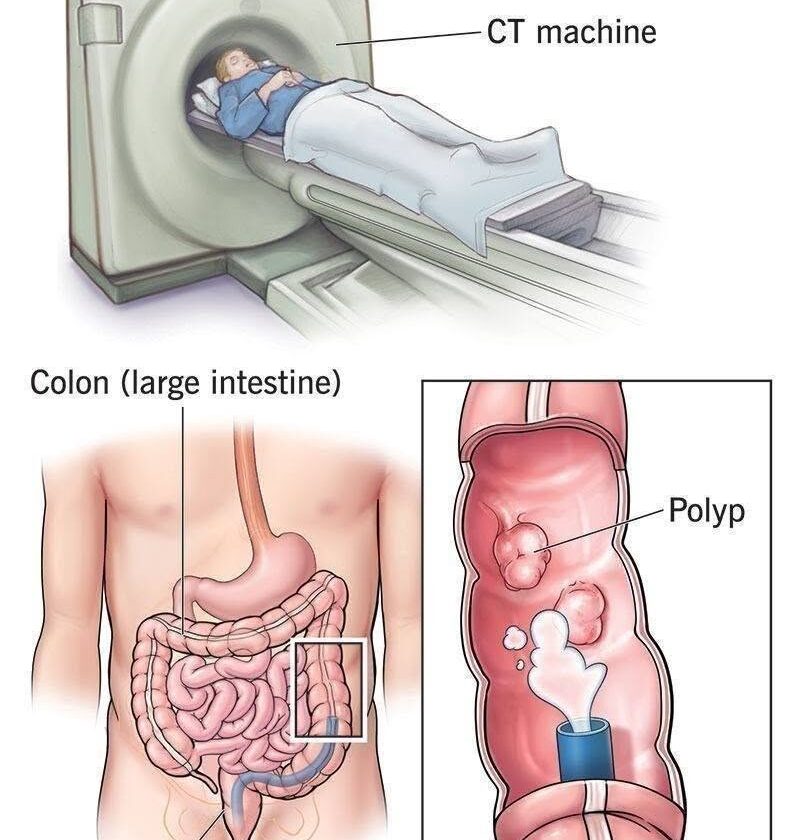
2. 📸 CT colonography (“virtual colonoscopy”)
- uses CT scan imaging
- no scope inserted
- still requires bowel prep
- if anything suspicious is found → you still need a real colonoscopy
⚠️ Key reality
Even with new screening tools:
- colonoscopy remains the gold standard
- it is the only method that can:
- directly view the colon
- remove polyps immediately
- take biopsies
🧠 Bottom line
There is no medical breakthrough that has made colonoscopy “no longer invasive.” What has changed is that non-invasive screening options now exist alongside it, but they do not replace it.
If you want, I can explain:
- which colon cancer screening is best by age and risk
- or how “virtual colonoscopy” compares in detail to the real one