New Methods May Make Colon Screening Less Invasive: What You Need to Know
For many people, the word “colonoscopy” brings feelings of discomfort or anxiety. Traditional colonoscopy is an effective medical procedure used to examine the inside of the large intestine and detect problems such as polyps or signs of colorectal cancer. However, because it involves inserting a flexible camera into the colon, many people consider it unpleasant.
Scientists and healthcare professionals have been exploring new approaches that may make colorectal screening easier, more comfortable, and more accessible.
Why Colonoscopy Is Important
A colonoscopy allows doctors to directly view the lining of the colon and remove certain precancerous polyps during the same procedure. This ability to both detect and prevent disease is one reason it remains an important screening tool.
Colorectal cancer often develops slowly, and finding changes early can greatly improve treatment outcomes.
Newer, Less Invasive Screening Options
Several alternatives to traditional colonoscopy are already available or being studied:
1. Stool-Based Tests
Some tests analyze stool samples for signs of blood or genetic changes linked to colorectal cancer. These tests do not require an invasive procedure and can often be completed at home.
2. Virtual Colonoscopy
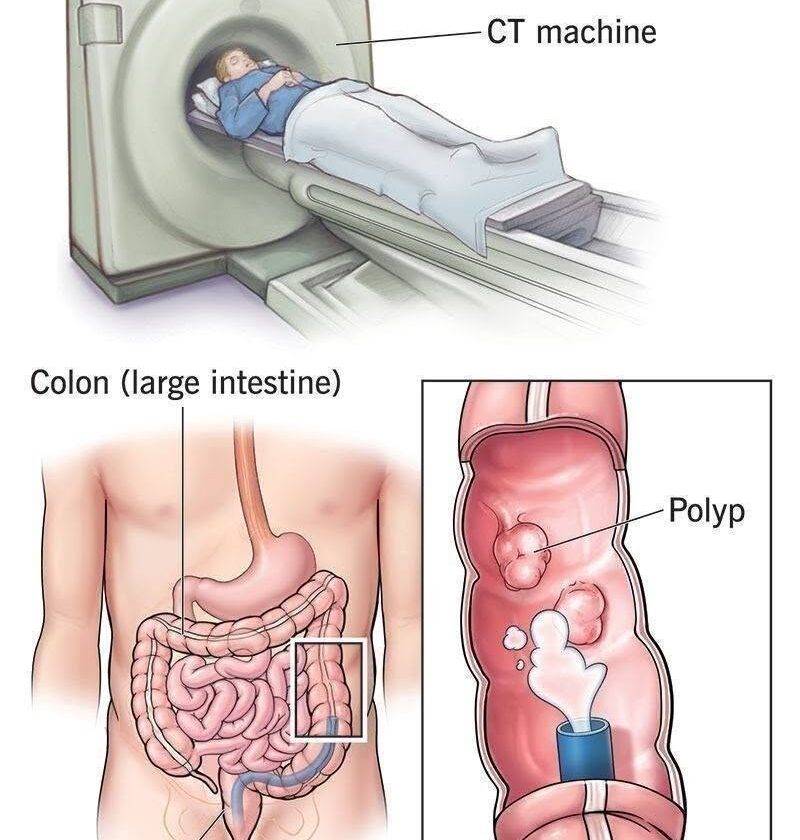
A virtual colonoscopy, also called CT colonography, uses imaging technology to create pictures of the colon without inserting a camera throughout the bowel. It may be an option for some people, although follow-up colonoscopy may still be needed if abnormalities are found.
3. Capsule-Based Technology
Researchers are developing capsule systems in which a person swallows a small camera capsule that travels through the digestive system and captures images. These technologies continue to improve, but availability and medical recommendations vary.
Will Colonoscopy Disappear Completely?
Not yet. Traditional colonoscopy remains one of the most accurate methods for detecting and removing dangerous polyps. Newer methods may provide additional choices, especially for people who cannot or do not want to undergo standard colonoscopy, but they do not completely replace it in all situations.
The Future of Colon Screening
The goal of medical innovation is to make screening easier, safer, and more comfortable while maintaining accuracy. Future technologies may reduce the need for invasive procedures, helping more people complete important cancer screenings.
For now, the best screening method depends on a person’s age, health history, risk factors, and discussion with a healthcare professional.