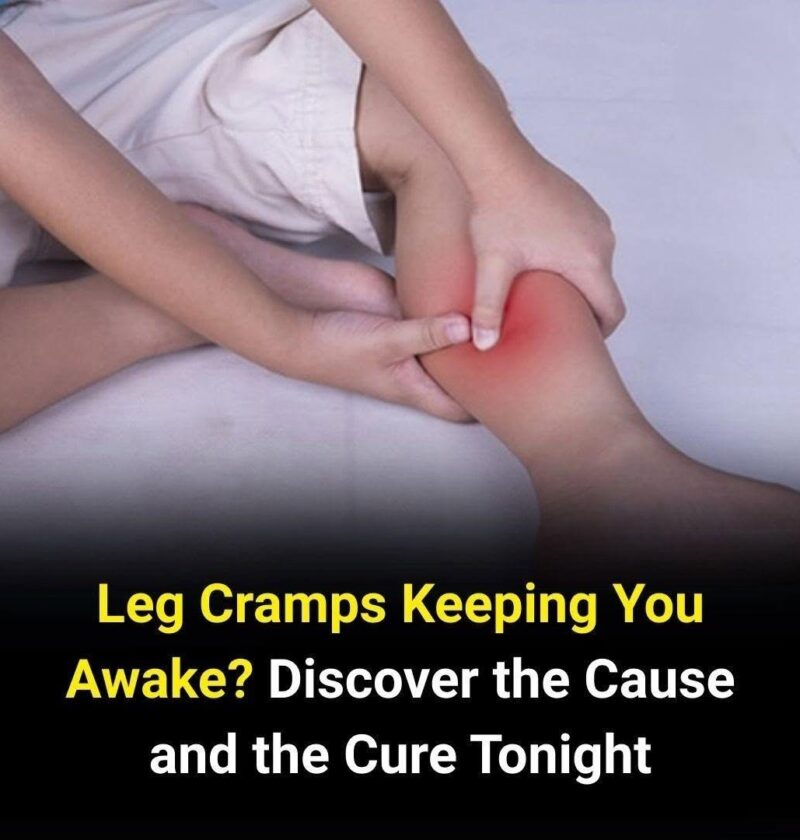
Nightly leg cramps (often called nocturnal leg cramps) are sudden, painful muscle contractions—most commonly in the calf, foot, or thigh—that happen during sleep or while resting. They’re common, and several factors can contribute.
Why they may happen
- Muscle fatigue or overuse (long walks, exercise, standing for long periods)
- Dehydration or heavy sweating
- Low levels of certain minerals (such as magnesium, potassium, or calcium), though this is not the cause for everyone
- Long periods of sitting or inactivity
- Poor circulation or nerve irritation
- Certain medications (some diuretics, cholesterol medicines, and others can sometimes contribute)
- Pregnancy, aging, or some medical conditions
What may help stop or reduce them
- Stretch the cramped muscle: For a calf cramp, straighten your leg and gently pull your toes toward your face.
- Massage the muscle and apply warmth (such as a warm towel or heating pad).
- Stay hydrated throughout the day.
- Stretch before bed, especially your calves and hamstrings.
- Wear supportive footwear and avoid sudden increases in exercise intensity.
- Review medications with a healthcare professional if cramps started after a new medicine.
When to get medical advice
Talk with a clinician if cramps are:
- New and severe, happening frequently, or worsening
- Associated with leg swelling, redness, weakness, numbness, or skin changes
- Accompanied by symptoms like unexplained weight loss, fever, or significant fatigue
If you tell me your age, where the cramps occur (calf/foot/thigh), how often they happen, and any medicines you take, I can help narrow down likely causes.