💊 Part 1: Medication Safety Alert Guide – Understanding Blood Clot Risks and Safe Use of Tablets (SEO Optimized, Original Content)
⚠️ Why Some Tablets Carry Blood Clot Risk Warnings
Certain medications are associated with an increased risk of blood clots, but it is important to understand that this depends entirely on the type of drug, dosage, personal health history, and medical conditions.
Blood clots (also called thrombosis) occur when blood thickens and forms a gel-like mass inside blood vessels. While clotting is a normal and necessary process to stop bleeding, abnormal clot formation can become dangerous when it blocks blood flow to vital organs.
Some prescription medications include warning labels because they may slightly increase clotting risk in specific individuals.
🧬 How Blood Clots Form in the Body
Blood clotting is a natural defense mechanism. However, problems arise when:
- Clots form without injury
- Clots grow too large
- Clots block arteries or veins
This can lead to serious conditions such as:
- Deep vein thrombosis (DVT)
- Pulmonary embolism (PE)
- Stroke
- Heart attack
💊 Types of Tablets Sometimes Linked to Blood Clot Risk (Medical Context)
It is important to clarify that not all tablets are dangerous. Only specific categories may carry warnings.
⚕️ 1. Hormonal Medications
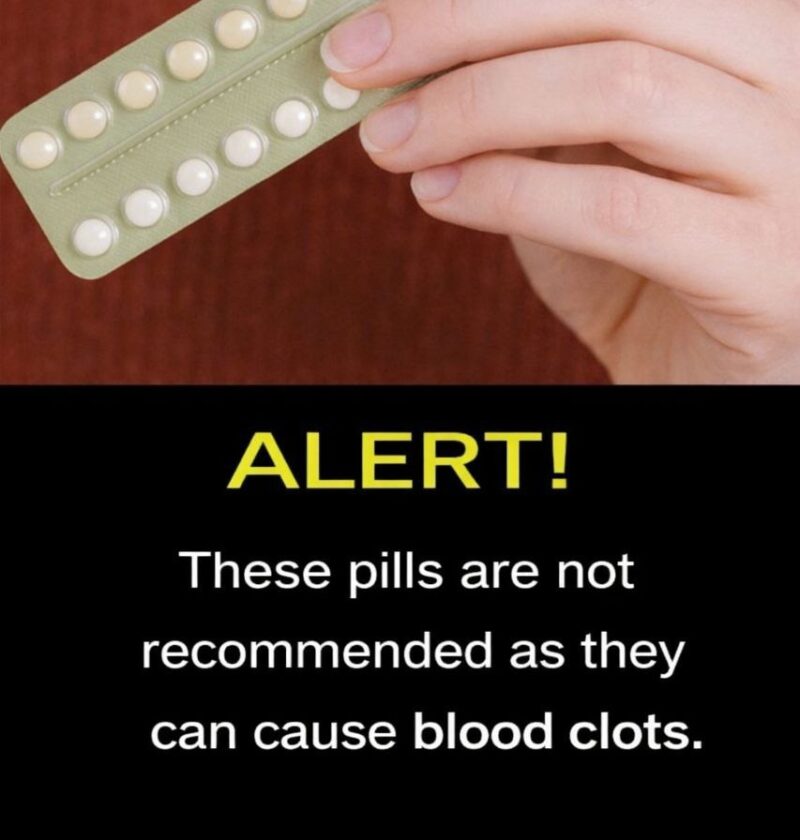
Some hormone-based treatments (such as certain contraceptives or hormone therapy) may slightly increase clot risk in some individuals.
⚕️ 2. Certain Cancer Treatments
Some therapies used in oncology can affect blood clotting balance.
⚕️ 3. Steroid or Immune-Modulating Drugs
Long-term use in specific cases may influence circulation and clotting factors.
⚕️ 4. Dehydrating or Blood-Thickening Conditions
Some medications indirectly increase risk by affecting hydration or blood viscosity.
⚠️ Important Medical Reality Check
A key point often misunderstood online is that:
Not every tablet causes blood clots.
Risk depends on:
- Personal medical history
- Smoking habits
- Age
- Obesity
- Existing cardiovascular disease
- Duration and dosage of medication
Self-diagnosing medication risks without medical guidance can be dangerous.
🧠 Warning Signs of Possible Blood Clot (Emergency Awareness)
Early detection is critical. Symptoms may include:
🦵 In the legs:
- Swelling in one leg
- Pain or tenderness
- Warmth or redness
🫁 In the lungs:
- Sudden shortness of breath
- Chest pain
- Rapid heartbeat
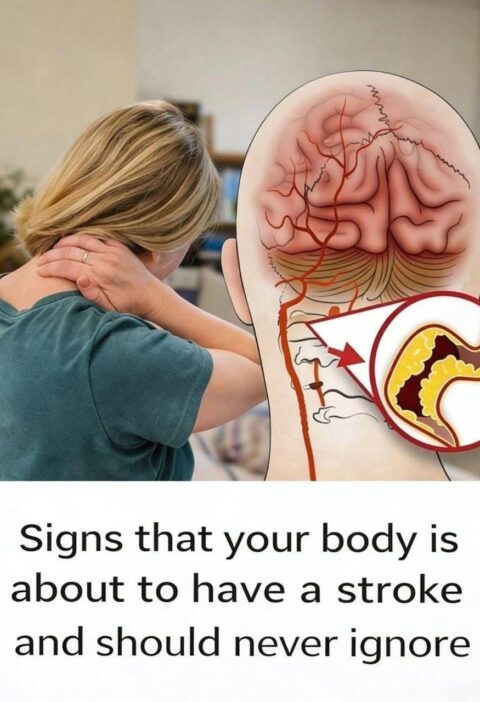
🧠 In the brain:
- Sudden dizziness
- Weakness on one side
- Difficulty speaking
If any of these symptoms occur, immediate medical attention is required.
🛡️ How to Reduce Blood Clot Risk Safely
Even when taking necessary medication, risk can often be managed.
🚶 Stay physically active
Movement improves circulation and prevents blood stagnation.
💧 Maintain hydration
Proper fluid intake helps keep blood flowing smoothly.
🚭 Avoid smoking
Smoking significantly increases clot risk.
⚖️ Maintain healthy body weight
Obesity is a known risk factor for thrombosis.
🩺 Regular medical monitoring
Especially important if taking long-term medication.
🧾 Why Medical Supervision Is Essential
Self-stopping medication or avoiding prescribed tablets based on online warnings can be dangerous.
Doctors prescribe medication after evaluating:
- Benefits vs risks
- Personal health conditions
- Alternative options
Always consult a healthcare professional before making changes.
📚 Sources (Medical References)
- World Health Organization (WHO) – Thrombosis and cardiovascular health
- Centers for Disease Control and Prevention (CDC) – Blood clot information
- Mayo Clinic – Deep vein thrombosis and pulmonary embolism
- American Heart Association (AHA) – Clotting and cardiovascular risk
- National Institutes of Health (NIH) – Medication safety research
🩺 Part 2: Simple Blood Clot Prevention Lifestyle Support Plan (Safe Health Guide)
🚶 Daily Circulation Support Routine
🧾 Steps:
- Walk for 20–30 minutes daily
- Avoid sitting for long periods
- Stretch legs every hour
💧 Hydration Plan
🧾 Steps:
- Drink water throughout the day
- Avoid excessive sugary drinks
- Keep body well-hydrated
🥗 Heart-Friendly Eating Habits
🧾 Focus on:
- Fresh fruits and vegetables
- Whole grains
- Lean proteins
- Healthy fats
🚭 Lifestyle Protection
🧾 Steps:
- Avoid smoking
- Limit alcohol intake
- Manage stress levels
⭐ Final Note
Blood clot risk is influenced by many medical and lifestyle factors, not just a single tablet. Safe medication use requires professional guidance, awareness of symptoms, and a healthy lifestyle that supports good circulation.