What Are Those Tiny “Rice-Like Moving Things” Found in Garbage? (SEO Optimized Identification & Safety Guide)
🧠 Why Small White or Rice-Shaped Organisms Appear in Trash Areas
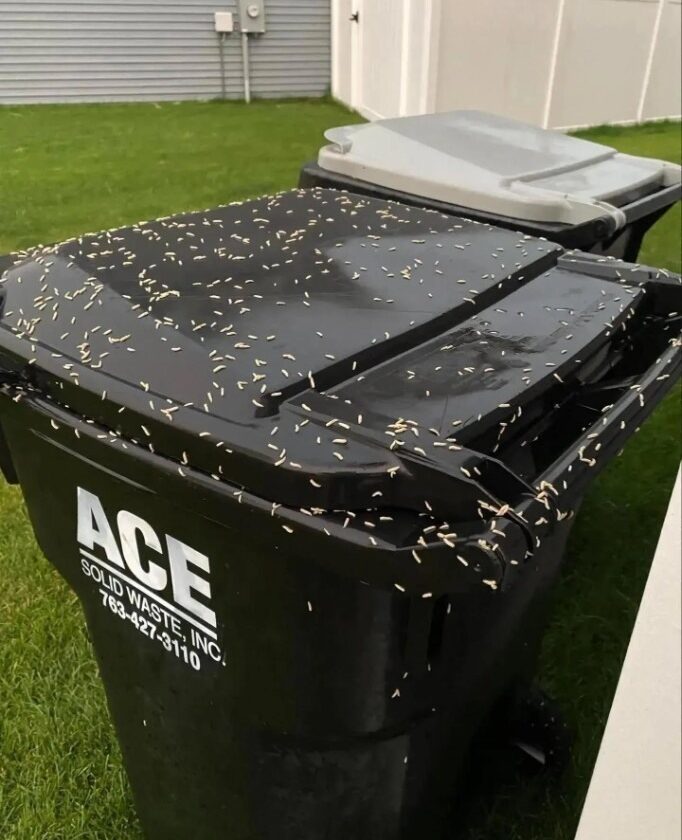
It is not uncommon for people to notice tiny white or cream-colored moving objects in or around garbage bins and mistake them for grains of rice. This often leads to panic or confusion, especially when the objects appear to be alive or moving.
In most cases, these sightings are not dangerous or mysterious—they are usually related to insect larvae or decomposing organic matter in waste environments.
Garbage cans provide a warm, moist, and food-rich environment, which is ideal for the development of various small organisms.
🔬 Common Causes Behind “Rice-Like Moving Objects” in Trash Bins
🪰 1. Fly Larvae (Maggots)
One of the most common explanations is fly larvae, often called maggots.
These are:
- Small, white, and cylindrical
- Soft-bodied and worm-like
- Found in decomposing food waste
Flies lay eggs in garbage, and within a short time, larvae hatch and begin feeding on organic material.
🐛 2. Beetle Larvae or Pantry Pests
Certain stored-product insects or beetle larvae may also appear in trash areas.
Characteristics:
- Rice-grain shape
- Pale or cream-colored
- Slow movement
These are often associated with food waste or dry stored materials.
🪳 3. Moth or Fly Eggs and Early Larval Stages
Some insect eggs or newly hatched larvae can appear extremely small and clustered, sometimes resembling grains or tiny particles.
🌱 4. Organic Debris Mistaken as Living Organisms
In some cases, what looks like movement may actually be:
- Shifting food particles
- Liquid movement in decomposing waste
- Reflection or optical illusion in moisture
⚠️ Are These Organisms Dangerous?
In most cases, these organisms are not directly dangerous to humans, but they are a sign of:
- Poor sanitation
- Decomposing organic waste
- Possible bacterial growth in the environment
They should still be handled carefully because they are associated with unsanitary conditions.
🧼 Why They Appear in Garbage Cans Specifically
Garbage bins often create the perfect environment for insect development:
🌡️ Warm temperature
Heat speeds up decomposition and insect breeding cycles.
💧 Moisture
Liquid waste and food scraps provide ideal breeding conditions.
🍖 Organic matter
Leftover food acts as a food source for larvae.
🪰 Fly access
Open or poorly sealed bins attract adult flies that lay eggs.
🛡️ Safe Handling and Removal (Important)
If you encounter such organisms, avoid direct contact.
✔️ Safe steps:
- Wear gloves if cleaning
- Empty and disinfect the bin thoroughly
- Use hot water and disinfectant
- Dispose of waste regularly
- Keep bin tightly closed
🚫 Common Mistakes People Make
- Ignoring the bin for long periods
- Leaving food waste exposed
- Not cleaning liquid spills inside bins
- Keeping bins in warm, shaded areas
These conditions encourage insect breeding.
🧠 When to Be Concerned
You should take action if:
- The infestation is recurring
- There is a strong foul odor
- Large numbers of larvae are present
- Insects spread to indoor areas
In such cases, deeper cleaning or pest control may be required.
🌿 Prevention Tips for a Cleaner Environment
🧼 Regular cleaning
Wash bins weekly with disinfectant.
🗑️ Proper waste disposal
Avoid leaving food waste for long periods.
🧴 Use bin liners
Helps reduce residue buildup.
🪰 Keep lids closed
Prevents flies from entering and laying eggs.
📚 Sources (Pest Control & Public Health References)
- Centers for Disease Control and Prevention (CDC) – Sanitation and household pests
- Environmental Protection Agency (EPA) – Waste management guidelines
- World Health Organization (WHO) – Environmental hygiene
- University entomology extension programs (general insect life cycle research)
🧼 Part 2: Simple Garbage Bin Cleaning & Pest Prevention Routine
🧴 Deep Cleaning Method for Household Waste Bins
🧾 Ingredients:
- Hot water
- Liquid detergent or soap
- White vinegar or disinfectant
- Scrub brush
🧽 Method:
- Empty the bin completely
- Rinse with hot water
- Scrub inside using detergent
- Apply vinegar or disinfectant solution
- Rinse again and let dry in sunlight
🛡️ Daily Prevention Steps
✔️ Routine:
- Always use a bin liner
- Empty food waste daily
- Keep lid tightly closed
- Wash hands after handling trash
⭐ Final Note
Seeing small rice-like moving organisms in garbage is usually a sign of insect larvae developing in organic waste. While it can look alarming, it is a common sanitation issue that can be easily prevented with proper cleaning, hygiene, and waste management practices.