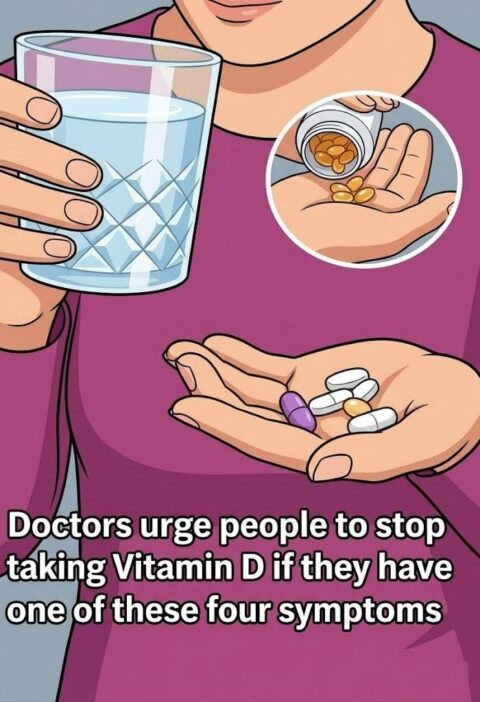
Headlines like “pharmacist issues warning to anyone taking Vitamin D” are usually clickbait. In reality, Vitamin D is safe for most people when taken in appropriate doses—but problems can happen with overuse or incorrect assumptions.
Here’s what pharmacists and clinicians actually warn about:
⚠️ 1) Too much Vitamin D (toxicity risk)
Vitamin D is fat-soluble, so it builds up in the body.
Excess intake can cause vitamin D toxicity, leading to:
- High calcium levels (hypercalcemia)
- Nausea, vomiting
- Weakness and fatigue
- Kidney stones or kidney damage in severe cases
👉 This usually happens only with very high-dose supplements taken for weeks/months, not normal food or sunlight.
⚠️ 2) “More is better” mistake
Many people take high doses thinking it boosts immunity.
But:
- Once blood levels are normal, extra dosing doesn’t add benefit
- It can increase risk instead
Safe dosing should be based on a blood test (25-OH vitamin D).
⚠️ 3) Drug interactions (important but often missed)
Vitamin D can interact with:
- Diuretics (especially thiazides) → may raise calcium too much
- Steroids (e.g., prednisone) → reduce Vitamin D effectiveness
- Certain weight-loss or cholesterol drugs (e.g., orlistat, cholestyramine) → reduce absorption
- Some anti-seizure medications → lower Vitamin D levels
🧠 4) People who need extra caution
- Kidney disease patients
- History of kidney stones
- Parathyroid disorders
- People taking multiple supplements (calcium + vitamin D + others)
☀️ 5) Common misunderstanding: sunlight is “always enough”
Not always true:
- Limited sun exposure
- Darker skin
- Indoor lifestyle
- Air pollution
All can lead to deficiency—especially in South Asia.
✔️ Bottom line
- Vitamin D is essential and beneficial when balanced
- The real risk is uncontrolled high-dose supplementation, not normal use
- Best approach: test → dose appropriately → recheck if needed
If you want, I can tell you:
- The safest daily dose ranges for adults in Pakistan
- Signs of deficiency vs excess
- Whether you should take Vitamin D with calcium or not