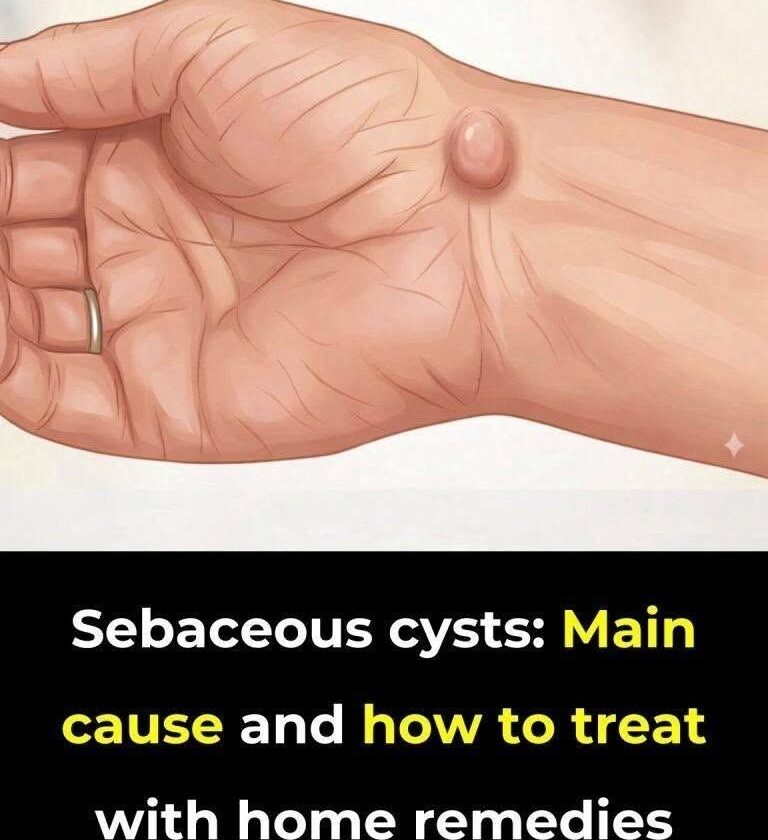
Sebaceous cysts explained: main causes and home remedy solutionsA sebaceous cyst is a small, usually harmless lump that forms under the skin when material (often keratin, a protein from skin cells) builds up inside a blocked hair follicle or skin gland. The medical term often used for these is epidermoid cyst or epidermal inclusion cyst. True sebaceous cysts (arising from sebaceous glands) are less common.
Common causes of sebaceous cysts
- Blocked skin pores or hair follicles
- Dead skin cells or keratin can become trapped beneath the skin and form a lump.
- Skin trauma or injury
- Damage to the skin can cause cells to move deeper into the skin and create a cyst.
- Inflamed or damaged sebaceous glands
- Oil-producing glands may become blocked, allowing material to accumulate.
- Genetics
- Some people are more prone to developing cysts, especially if they run in the family.
- Hormonal changes
- Hormonal shifts can increase oil production and contribute to blocked pores.
- Certain skin conditions
- Conditions that affect hair follicles or oil glands may increase the chance of cyst formation.
Symptoms of a sebaceous cyst
A typical cyst may be:
- A round, smooth lump under the skin
- Slow-growing
- Painless
- Firm or slightly soft
- Skin-colored or yellowish
- Sometimes with a small dark opening (a “punctum”) on the surface
If infected, it may become:
- Red
- Warm
- Painful
- Swollen
- Filled with pus
- Associated with fever in some cases
Home remedies and self-care
Most small, non-infected cysts do not require urgent treatment. These measures may help with comfort:
1. Warm compress
- Apply a warm, clean cloth to the area for 10–15 minutes several times daily.
- This may encourage drainage and reduce discomfort, although it does not always remove the cyst.
2. Keep the area clean
- Wash gently with mild soap and water.
- Avoid harsh scrubbing, which can irritate the skin.
3. Avoid squeezing or popping it
- Trying to burst a cyst can push material deeper, increase inflammation, and raise the risk of infection or scarring.
4. Reduce friction
- Avoid tight clothing or repeated rubbing over the cyst.
5. Pain relief if needed
- Over-the-counter pain relievers may help with discomfort if you can safely take them.
What usually does not work
- Toothpaste, vinegar, lemon juice, or strong home chemicals can irritate or burn the skin.
- Herbal remedies may soothe skin but usually do not remove the cyst capsule, meaning the cyst can return.
When to see a doctor
Seek medical advice if:
- The cyst is growing quickly
- It becomes painful, red, or hot
- It starts draining foul-smelling fluid
- It repeatedly returns
- It is large or bothersome
- You are unsure whether the lump is a cyst
A healthcare professional can treat it by draining an infected cyst or removing the entire cyst wall (capsule) to reduce the chance of recurrence.
If you have a lump that you think is a sebaceous cyst, its location, size, how long it has been present, and whether it hurts or drains can help determine what it may be.