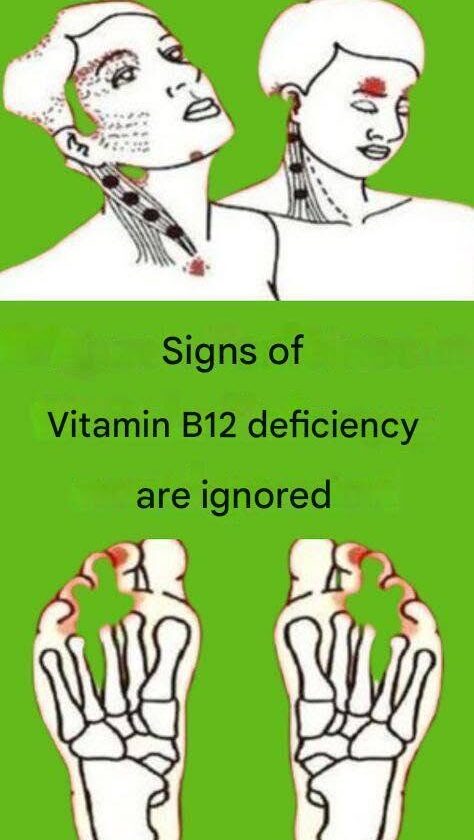
Vitamin B12 deficiency is often missed because its symptoms can be slow, vague, and mistaken for stress, aging, or fatigue. It can affect the nerves, blood, and brain if not treated.
Here are the common signs people tend to ignore:
🧠 Neurological (nerve & brain) signs
- Tingling or numbness in hands and feet (“pins and needles”)
- Balance problems or feeling unsteady while walking
- Memory issues or “brain fog”
- Difficulty concentrating
- Mood changes (irritability, anxiety, low mood)
These happen because vitamin B12 is important for nerve health and myelin (nerve insulation).
🩸 Blood-related signs
- Constant tiredness or weakness
- Shortness of breath with mild activity
- Pale or slightly yellowish skin
- Dizziness or lightheadedness
- Fast heartbeat
This is often due to Megaloblastic anemia, a type of anemia caused by low B12.
👅 Mouth & digestive signs
- Sore or smooth red tongue (glossitis)
- Mouth ulcers
- Reduced appetite
- Mild nausea or digestive discomfort
🧬 Other subtle signs
- Low energy even after good sleep
- Headaches
- Feeling “not yourself” mentally
- Vision disturbances (less common but possible in severe cases)
⚠️ Who is most at risk
- People with low animal product intake (vegetarian/vegan diets)
- Older adults (reduced absorption)
- People with stomach or intestinal conditions
- Long-term use of acid-reducing medications
🧠 Important reality check
These symptoms are not specific to B12 deficiency—they can also come from:
- iron deficiency
- thyroid problems
- stress or anxiety
- poor sleep
So blood testing is the only way to confirm it.
🚨 Why it shouldn’t be ignored
If untreated, long-term B12 deficiency can lead to:
- permanent nerve damage
- worsening memory problems
- severe anemia
🧾 Bottom line
Vitamin B12 deficiency is common, subtle, and often mistaken for “just tiredness,” but it can become serious if ignored.
If you want, tell me your symptoms or diet, and I can help you judge whether B12 deficiency is likely and what to do next.