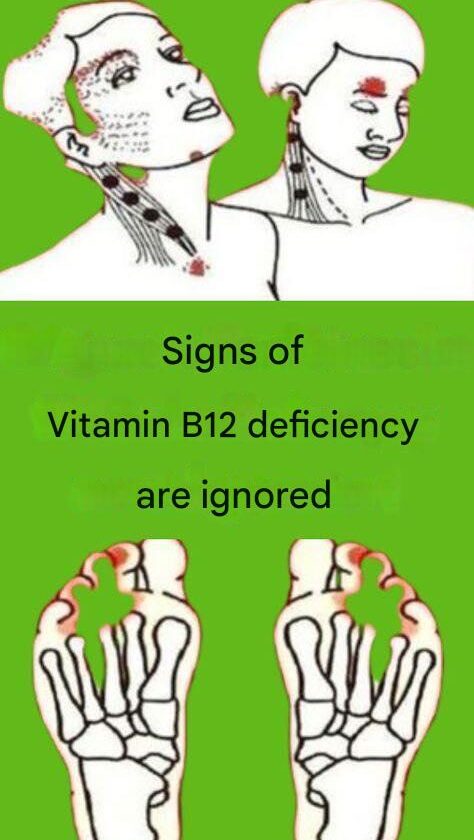
Vitamin B12 deficiency can be easy to miss because symptoms often develop slowly and can look like stress, aging, poor sleep, or other common problems. Some signs are subtle at first, but untreated deficiency can eventually cause permanent nerve damage.
Commonly ignored signs include:
- Persistent fatigue or weakness
- Tingling or numbness in the hands and feet
- Brain fog, poor memory, or difficulty concentrating
- Mood changes such as irritability, depression, or anxiety
- Pale or slightly yellow skin
- Shortness of breath or dizziness
- A smooth, red, or sore tongue
- Mouth ulcers
- Balance problems or unsteady walking
- Heart palpitations
- Vision changes from nerve involvement
People sometimes ignore these symptoms because blood counts can appear “almost normal,” or because the symptoms come and go.
Groups at higher risk include:
- Vegetarians and vegans with low B12 intake
- Adults over 50
- People with stomach or intestinal conditions
- Those taking long-term acid-reducing medicines or Metformin
- People with poor absorption after stomach surgery
A severe deficiency can lead to:
- Nerve damage
- Difficulty walking
- Memory impairment
- Mood disorders
- Anemia
If these symptoms are persistent, a doctor usually checks:
- Blood B12 level
- Complete blood count (CBC)
- Methylmalonic acid (MMA)
- Homocysteine levels
Good food sources include:
- Meat
- Fish
- Eggs
- Dairy products
- Fortified cereals
Treatment may involve oral supplements or injections depending on the cause and severity. If you want, I can also explain:
- early vs late symptoms,
- causes despite eating meat,
- foods richest in B12,
- or how B12 deficiency differs from iron deficiency.