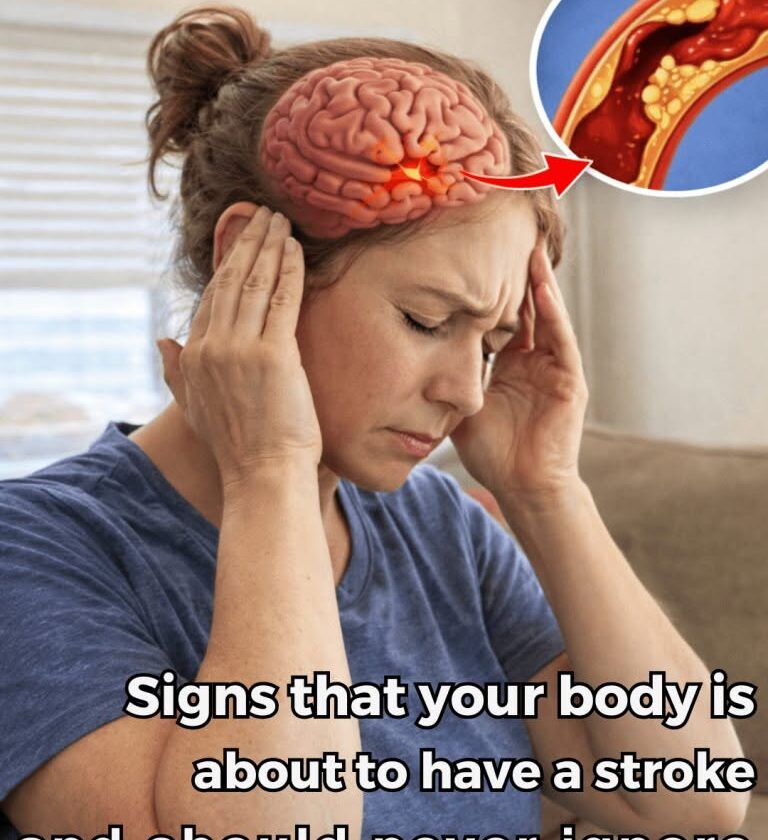
A stroke is a medical emergency. Recognizing the warning signs and getting treatment quickly can significantly improve outcomes.
Common Signs of a Stroke
A simple way to remember the most common symptoms is F.A.S.T.:
- F – Face drooping: One side of the face droops or feels numb. Ask the person to smile.
- A – Arm weakness: One arm is weak or numb. Ask the person to raise both arms.
- S – Speech difficulty: Speech is slurred, hard to understand, or the person cannot speak normally.
- T – Time to call emergency services: If any of these signs are present, seek emergency medical help immediately.
Other Warning Signs
A stroke can also cause one or more of the following, often with sudden onset:
- Sudden numbness or weakness of the face, arm, or leg, especially on one side of the body
- Sudden confusion or difficulty understanding speech
- Sudden vision loss or blurred vision in one or both eyes
- Sudden trouble walking, dizziness, loss of balance, or poor coordination
- A sudden, severe headache with no obvious cause (more common in some types of stroke)
What to Do
If you think someone is having a stroke:
- Call your local emergency services immediately.
- Note the time the symptoms started or when the person was last known to be well, if possible.
- Do not drive yourself to the hospital if emergency medical services are available, as paramedics can begin assessment and notify the hospital in advance.
Can a Stroke Be Predicted?
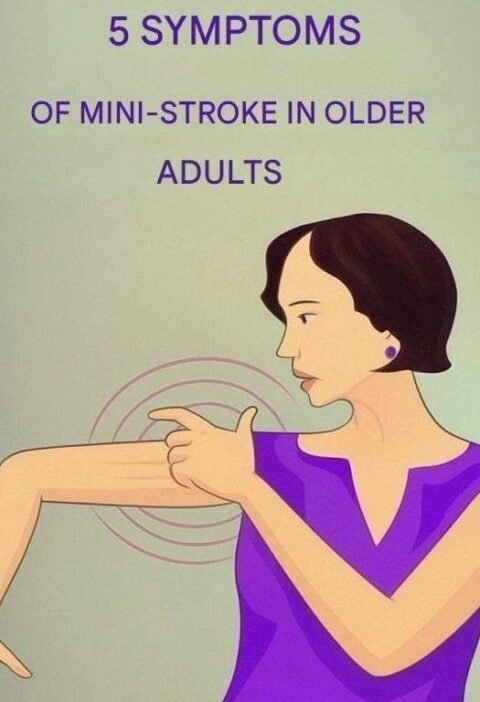
Many social media posts claim the body gives clear warnings before every stroke. While some people experience a transient ischemic attack (TIA, sometimes called a “mini-stroke”) before a stroke, many strokes occur without prior warning. A TIA causes stroke-like symptoms that resolve within minutes or hours, but it is still a medical emergency because it greatly increases the risk of a future stroke.
If you or someone else develops sudden stroke symptoms—even if they improve or go away—seek emergency medical care right away. Prompt treatment can make a critical difference.