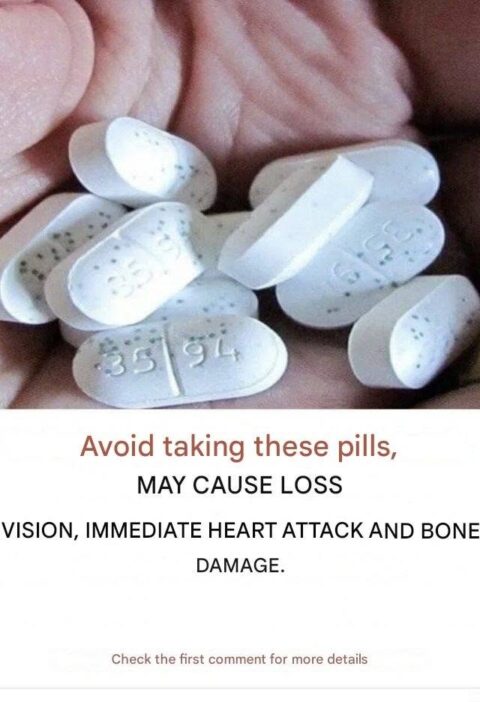
That headline is misleading. Doctors are not hiding metoprolol side effects—these effects are documented in prescribing information, discussed with patients, and monitored during treatment.
Metoprolol (Metoprolol) is commonly prescribed and is generally safe for most people when taken as directed.
Common side effects
These are relatively common and often improve as the body adjusts:
- Fatigue or tiredness
- Dizziness or lightheadedness
- Slower heart rate
- Cold hands and feet
- Reduced exercise tolerance
- Sleep disturbances or vivid dreams
- Mild nausea or stomach upset
Less common side effects
- Low mood or depression (in some people)
- Sexual dysfunction
- Mild shortness of breath, particularly in people with underlying lung conditions
Serious side effects that deserve prompt medical attention
Contact a healthcare professional promptly if you develop:
- Fainting or severe dizziness
- Very slow heart rate with symptoms
- New or worsening shortness of breath
- Chest pain that is severe or worsening
- Swelling of the legs with rapid weight gain
- Signs of an allergic reaction (facial swelling, difficulty breathing)
An important warning
One of the biggest risks with metoprolol is stopping it suddenly. Abrupt discontinuation can cause:
- Rapid heart rate
- Increased blood pressure
- Worsening chest pain
- Increased risk of heart attack in susceptible individuals
Any dose reduction should generally be done under medical supervision.
Bottom line
The headline is designed to create fear. Metoprolol’s side effects are well known, and most people who take it do not experience severe problems. The key is to know which symptoms are common, which are serious, and to discuss any concerns with your healthcare provider rather than stopping the medication on your own.
If you’re taking metoprolol and have specific symptoms, I can help explain whether they are commonly associated with the medication and how urgently they should be evaluated.