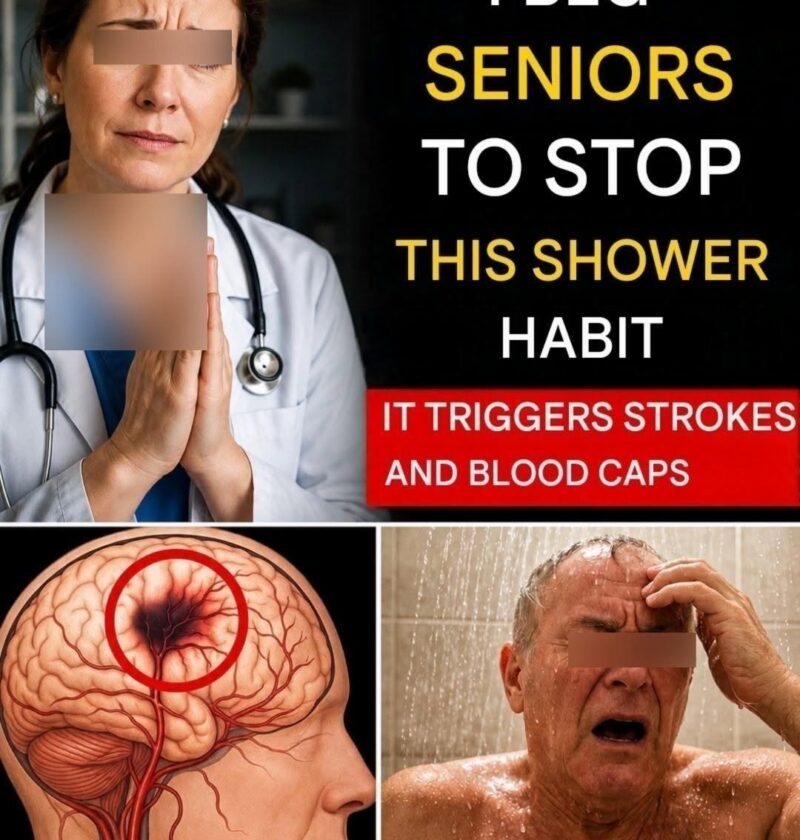
The claim that a specific shower habit “increases the risk of stroke overnight” is a common type of viral health headline, but there is no strong evidence that a normal shower habit by itself causes strokes overnight.
However, certain showering situations may be risky for some older adults, especially those with heart or blood pressure problems:
- Very hot showers or baths: Heat can widen blood vessels and may cause a drop in blood pressure, which can lead to dizziness or fainting in some people.
- Sudden temperature changes: Going quickly from a warm shower into a cold environment may put extra stress on the cardiovascular system.
- Standing up quickly after a hot shower: This can trigger a blood-pressure drop and increase fall risk.
- Showering when alone after feeling unwell: If someone has dizziness, weakness, or chest symptoms, being alone can increase danger if an emergency occurs.
Safer shower habits for seniors
- Use warm, not extremely hot, water.
- Avoid sudden temperature changes.
- Sit down if you feel lightheaded.
- Keep the bathroom well ventilated.
- Use grab bars or non-slip mats if balance is a concern.
Know stroke warning signs (FAST)
- F — Face: One side drooping
- A — Arms: One arm weakness or numbness
- S — Speech: Slurred or confused speech
- T — Time: Call emergency services immediately
If a person has a higher stroke risk (high blood pressure, diabetes, previous stroke, irregular heartbeat, smoking history), regular medical checkups and managing those risk factors are much more important than avoiding ordinary showers.