The Five Drinks That May Be Most Harmful to Your Bones, According to Health Experts
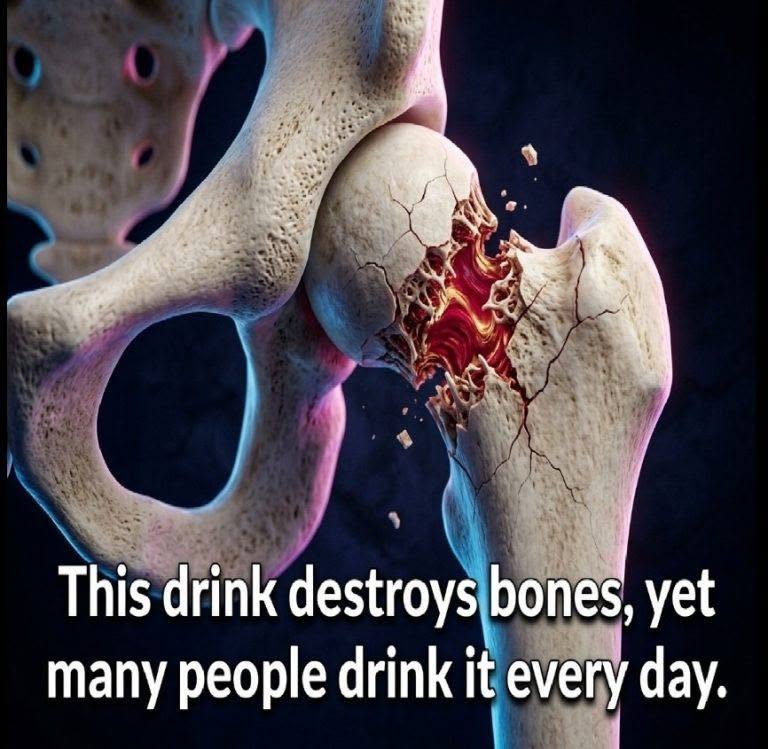
Bone health depends on many factors, including calcium, vitamin D, regular exercise, and overall diet. No single drink automatically “damages” your bones, but some beverages may contribute to poorer bone health when consumed in excess or as part of an unbalanced diet.
1. Sugary Soft Drinks
Regular fizzy drinks are high in added sugar and may replace healthier drinks such as milk. Frequent consumption has been linked to poorer diet quality, which can affect bone health over time.
2. Excessive Alcohol
Drinking large amounts of alcohol over a long period can:
- Reduce bone formation
- Increase the risk of osteoporosis
- Raise the likelihood of falls and fractures
Moderation is key.
3. Highly Sweetened Coffee Drinks
Coffee itself is not generally harmful to bones when consumed in moderation. However, large, sugary coffee drinks can add significant calories and sugar. Very high caffeine intake may slightly reduce calcium absorption, although this can usually be offset by getting enough calcium in the diet.
4. Energy Drinks
Many energy drinks contain:
- High levels of caffeine
- Large amounts of added sugar
Regular consumption may contribute to excessive caffeine intake, particularly in teenagers and young adults, and should be limited.
5. Sugary Fruit-Flavoured Drinks
Fruit drinks with added sugar often provide little nutritional value compared with whole fruit or milk. Drinking them frequently instead of nutrient-rich beverages may reduce intake of calcium and other nutrients important for bone health.
Drinks That Support Healthy Bones
Health experts generally recommend beverages such as:
- Milk or fortified plant-based alternatives
- Water
- Calcium-fortified drinks
- Unsweetened beverages
These can help support hydration and, in some cases, provide nutrients important for bone health.
Other Ways to Protect Your Bones
In addition to making smart drink choices:
- Eat calcium-rich foods such as dairy products, fortified alternatives, leafy greens, and some fish.
- Get enough vitamin D through safe sun exposure, diet, or supplements if recommended.
- Do regular weight-bearing and strength-training exercises.
- Avoid smoking.
- Maintain a healthy body weight.