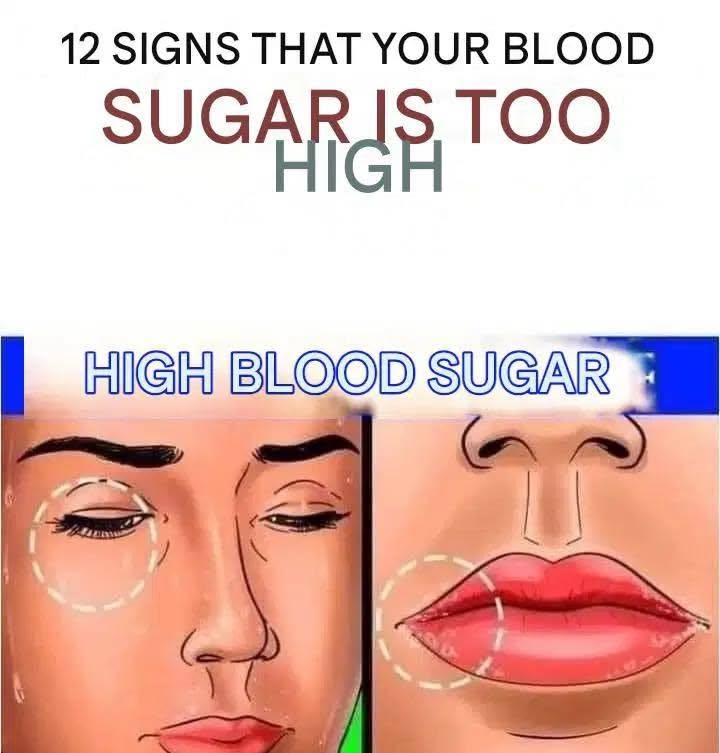
High blood sugar (hyperglycemia) can develop gradually, and some people may not notice symptoms at first. Recognizing warning signs can help you seek testing and medical advice when needed.
12 possible signs of high blood sugar
- Increased thirst – Feeling unusually thirsty even after drinking fluids.
- Frequent urination – Especially waking up at night to urinate.
- Increased hunger – Feeling hungry despite eating enough.
- Unexplained weight loss – Losing weight without trying.
- Fatigue – Feeling unusually tired or lacking energy.
- Blurred vision – Changes in blood sugar can affect the eye’s lens.
- Slow-healing cuts or wounds – High blood sugar can affect circulation and healing.
- Frequent infections – Such as skin, urinary tract, or yeast infections.
- Tingling or numbness – Often in the hands or feet due to nerve irritation.
- Dry mouth or dry skin – Related to fluid loss from increased urination.
- Mood changes or difficulty concentrating – Blood sugar swings can affect how you feel and think.
- Fruity-smelling breath, nausea, or vomiting – These can be signs of a serious condition called diabetic ketoacidosis and require urgent medical attention.
When to get checked
If you have several of these symptoms—especially thirst, frequent urination, unexplained weight loss, or fatigue—consider getting your blood sugar tested. Common tests include:
- Fasting blood glucose
- HbA1c (average blood sugar over about 2–3 months)
- Oral glucose tolerance testing (when appropriate)
Lifestyle habits that support healthy blood sugar include regular physical activity, eating a balanced diet with adequate fiber and protein, maintaining a healthy weight, and following medical advice if you have diabetes or prediabetes.