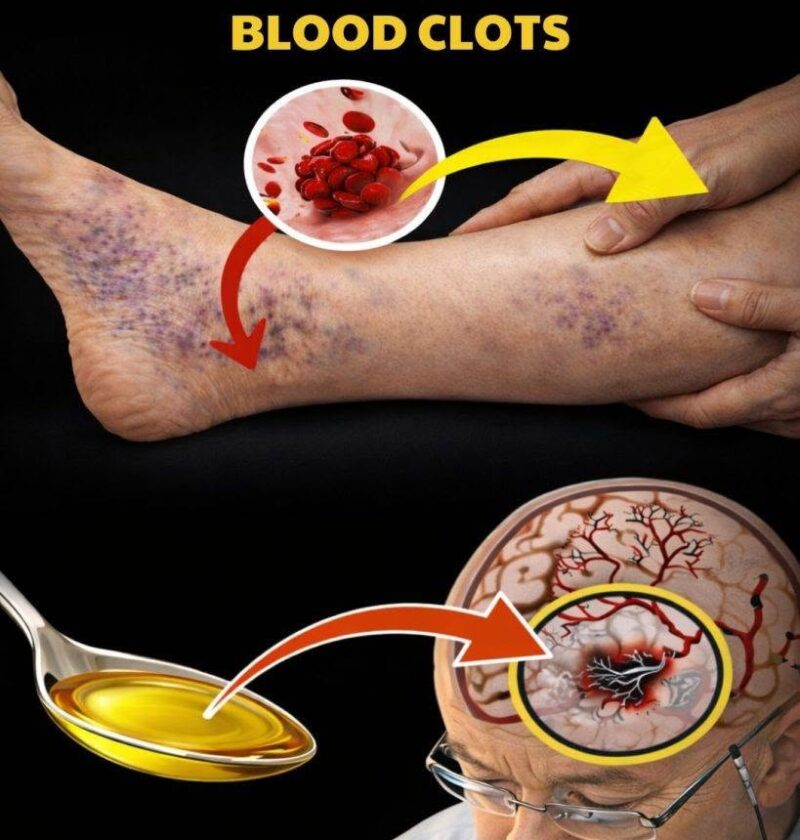
That kind of headline is misleading. No fruit can “manage blood clots” in a direct medical sense, and they cannot replace anticoagulant medicines or treat clotting disorders.
What some fruits can do is gently support heart and blood vessel health through antioxidants, fiber, and mild effects on inflammation and circulation. That’s very different from preventing or dissolving dangerous blood clots.
Here are fruits that are often linked with cardiovascular support:
🍓 1. Berries (strawberries, blueberries, raspberries)
Rich in flavonoids that may support blood vessel function and reduce inflammation.
🍊 2. Citrus fruits (oranges, lemons, grapefruit)
High in vitamin C and antioxidants that support healthy blood vessels.
🍎 3. Apples
Contain fiber (pectin) and polyphenols that support cholesterol balance.
🍌 4. Bananas
Provide potassium, which helps regulate blood pressure (indirect heart benefit).
🍇 5. Grapes (especially red/purple)
Contain resveratrol, studied for cardiovascular effects.
🍉 6. Pomegranate
Contains antioxidants that may support circulation and vascular health.
🥭 7. Mango
Rich in vitamin C and carotenoids that support general cardiovascular health.
🥑 8. Avocado (technically a fruit)
Provides healthy fats that support cholesterol balance.
⚠️ Important reality check
- Fruits do not dissolve or “control” blood clots
- If someone has clot risk (like DVT, stroke risk, atrial fibrillation), medical treatment is essential
- Blood clot management involves medications like anticoagulants prescribed by doctors
✔️ What fruits actually do
They support:
- Blood vessel health
- Cholesterol balance
- Inflammation reduction
- Overall heart health
But they are preventive nutrition, not treatment
If you want, I can also tell you:
- Foods that genuinely increase clot risk
- Or diet tips doctors actually recommend for blood circulation health