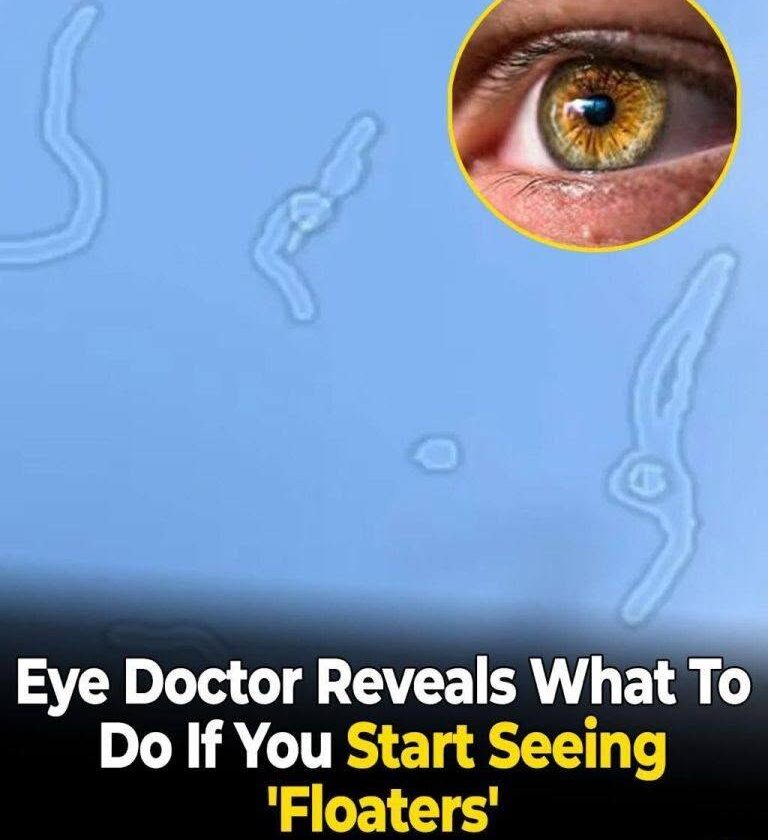
Eye floaters are tiny spots, threads, cobwebs, or squiggly shapes that seem to drift across your vision. They are often more noticeable when looking at a bright, plain background, such as a blue sky or a white wall.
What causes eye floaters?
The inside of the eye is filled with a gel called the vitreous. As we age, this gel becomes more liquid and tiny clumps can form, casting shadows on the retina. These shadows are what you see as floaters.
Common reasons for floaters include:
- Normal aging (the most common cause)
- Nearsightedness (myopia)
- Previous eye surgery, such as cataract surgery
- Eye inflammation
- Bleeding inside the eye
- A retinal tear or retinal detachment (less common but serious)
What should you do?
If you have a few floaters that have been stable for a long time and your eye exam is otherwise normal:
- They often become less noticeable over time.
- Routine eye examinations are still important.
Seek urgent eye care immediately if you notice:
- A sudden shower of many new floaters
- Flashes of light, especially in your side vision
- A dark curtain or shadow moving across your vision
- Sudden loss of part of your vision
- Floaters after an eye injury
These symptoms could indicate a retinal tear or retinal detachment, which requires prompt treatment to help preserve vision.
Can floaters be treated?
- Most floaters do not need treatment.
- If they are caused by another eye condition, treating the underlying problem may help.
- In rare cases where floaters severely interfere with vision, an eye specialist may discuss procedures such as laser treatment or surgery, but these are not appropriate for most people because they carry risks.
If you’ve just started seeing floaters, especially if they’re new or increasing, it’s a good idea to arrange a prompt eye examination—even if you don’t have pain, since retinal problems are often painless.