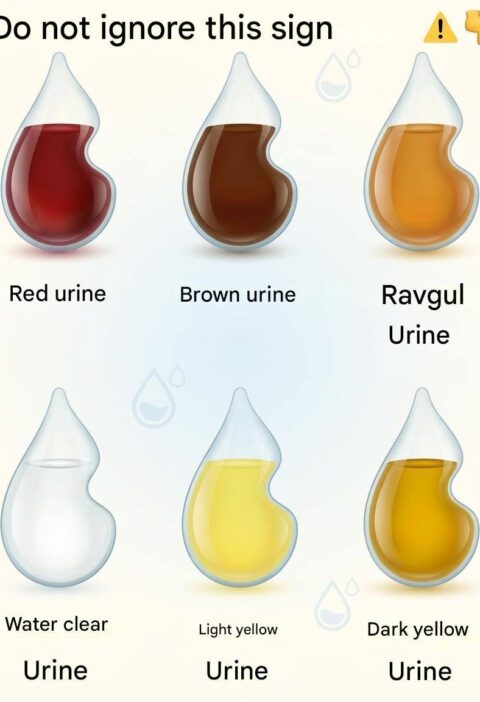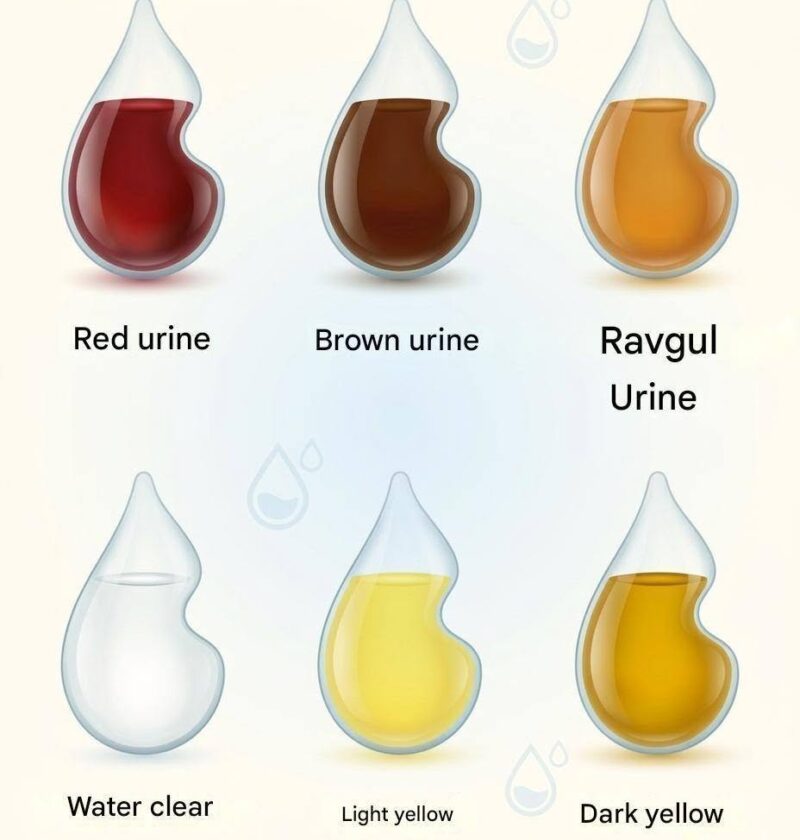
Urine color is mostly a quick window into your hydration level, but it can sometimes hint at diet, supplements, or medical issues. Here’s a practical guide:
Very light / almost clear
Usually means you’re very well hydrated.
- Common if you’ve been drinking lots of water
- If it’s constantly clear, you might be overhydrating (rarely an issue, but possible)
Pale straw / light yellow (ideal)
This is generally considered normal and healthy.
- Indicates good hydration balance
- Caused by a pigment called urochrome
Dark yellow / amber
Often a sign of dehydration.
- You may need more fluids
- Can happen after sweating, fever, or not drinking enough water
Honey / brownish yellow
More significant dehydration is possible.
- Also can be affected by certain foods, vitamins (especially B-complex), or medications
- If it persists despite drinking fluids, it’s worth checking
Orange
Can be dehydration, but also:
- Certain medications (like some antibiotics or laxatives)
- High-dose vitamin supplements
- Occasionally liver or bile-related issues if persistent
Pink or red
This is the one to take seriously. Possible causes include:
- Blood in urine (from infection, kidney stones, or other urinary tract issues)
- Foods like beetroot or berries (can temporarily discolor urine)
- Some medications
If it’s not clearly food-related, it should be evaluated by a clinician.
Blue or green (rare)
- Often from food dyes or medications
- Rare genetic or metabolic conditions
- Usually harmless if short-lived, but unusual if persistent
Cloudy or milky
Can suggest:
- Urinary tract infection
- Dehydration
- Presence of crystals, pus, or protein
When to get checked
See a healthcare professional if you notice:
- Blood (red/pink urine) not linked to food
- Persistent dark urine despite drinking fluids
- Pain, burning, fever, or back pain
- Foamy or consistently cloudy urine
If you want, I can also explain how hydration needs vary by weather (important in hot climates like Multan) or how vitamins change urine color.