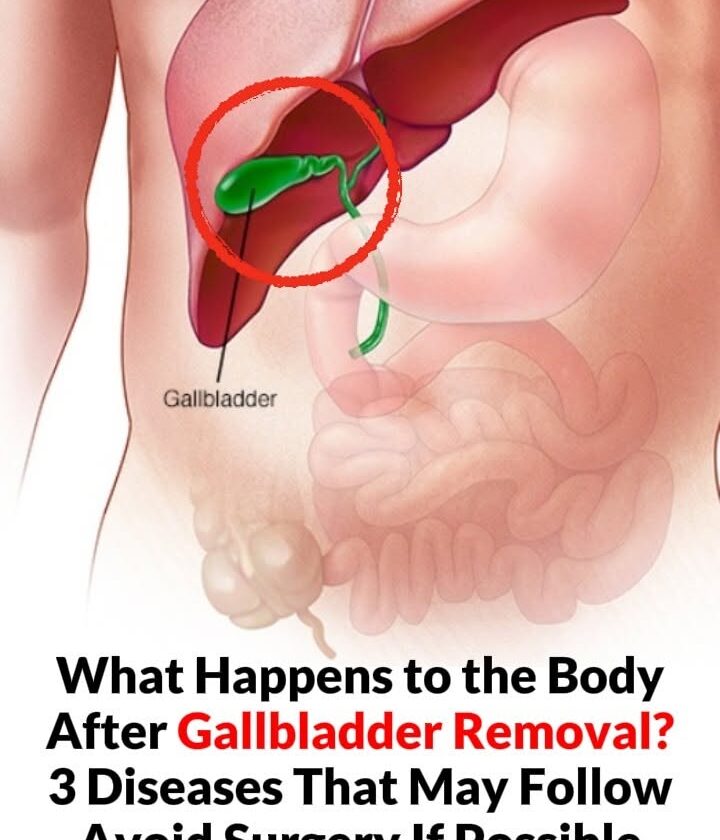
What Happens to the Body After Gallbladder Removal? 3 Possible Issues to Know About
Gallbladder removal surgery (Cholecystectomy) is one of the most common abdominal surgeries. It is usually performed when gallstones or gallbladder disease cause repeated pain, inflammation, infection, or other complications.
The idea that people should avoid gallbladder surgery whenever possible is not universally correct. For some people, surgery prevents serious health problems. However, it is reasonable to understand possible changes after the operation and discuss alternatives with a healthcare professional when appropriate.
What changes after gallbladder removal?
The gallbladder’s job is to store and concentrate bile, a digestive fluid made by the liver. After removal, bile flows directly from the liver into the small intestine. Most people adapt well, but some experience digestive changes.
3 possible conditions or complications after gallbladder removal
1. Postcholecystectomy syndrome
A small number of people have ongoing symptoms after surgery, such as:
- Abdominal discomfort
- Indigestion
- Nausea
- Bloating
- Changes in bowel habits
The symptoms may come from bile flow changes or from another digestive condition that was present before surgery.
2. Bile acid diarrhea
Without a gallbladder, bile may enter the intestine more continuously. In some people, excess bile reaching the colon can cause:
- Frequent loose stools
- Urgency to use the bathroom
- Diarrhea after meals
This can often be managed with diet changes and, when needed, medications prescribed by a clinician.
3. Digestive sensitivity to fatty foods
Some people notice they no longer tolerate large amounts of fatty or greasy foods as well as before. Symptoms may include:
- Gas
- Bloating
- Loose stools
- Discomfort after heavy meals
Eating smaller meals and gradually adjusting fat intake can help