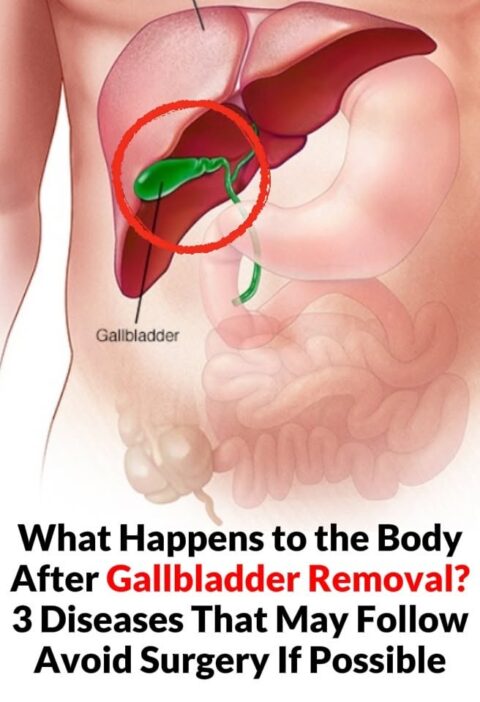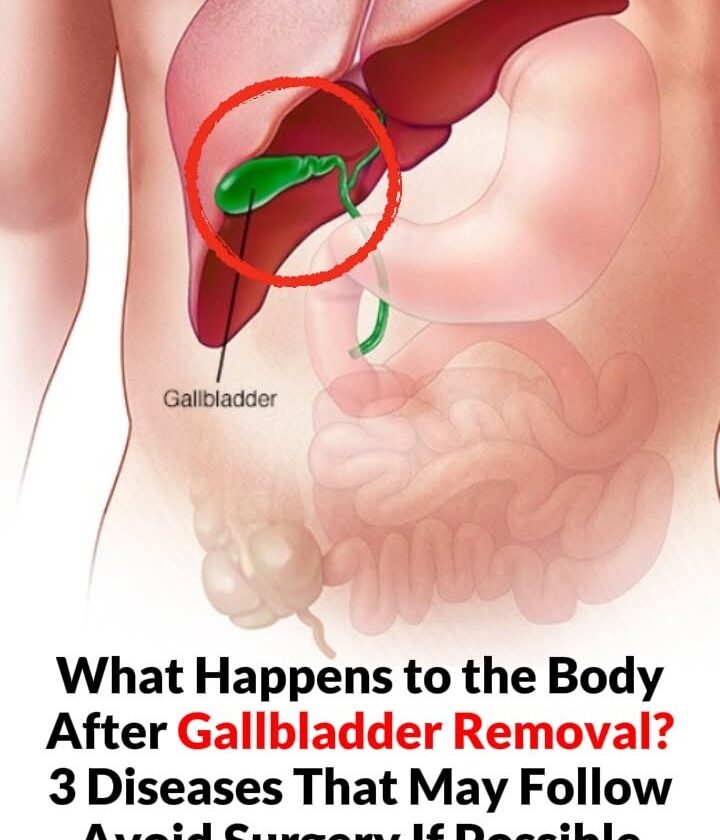
What does the gallbladder do?
The gallbladder stores and concentrates bile produced by the liver. After you eat, it releases bile into the small intestine to help digest fats.
What happens after gallbladder removal (cholecystectomy)?
Without a gallbladder:
- The liver still produces bile.
- Bile flows directly into the small intestine instead of being stored.
- Most people digest food normally after recovery and live healthy lives.
Some people notice temporary changes such as:
- Diarrhea or loose stools
- Bloating or gas
- Difficulty tolerating very fatty meals
These symptoms often improve over weeks to months.
Are there diseases that can follow gallbladder removal?
Research has found associations with some conditions, but this does not mean surgery causes these diseases in most people.
Examples include:
- Post-cholecystectomy syndrome
- Persistent abdominal pain, indigestion, or diarrhea after surgery.
- Occurs in a minority of patients and can have several causes.
- Bile acid diarrhea
- Continuous bile entering the intestine can cause chronic diarrhea in some people.
- This is often treatable with medications that bind bile acids.
- Digestive changes
- Some people experience ongoing bloating or altered bowel habits.
- These symptoms are usually manageable with dietary adjustments.
Some studies have reported small increases in the risk of conditions such as fatty liver disease or certain gastrointestinal disorders after gallbladder removal. However, these studies show associations, and the overall risk for an individual remains relatively low. The underlying health problems that led to gallstones may also contribute to these risks.
Should you avoid surgery if possible?
It depends on your situation.
Gallbladder removal is not recommended for everyone with gallstones. If gallstones are present but cause no symptoms, surgery is often unnecessary.
However, surgery is generally the standard treatment if you have:
- Repeated painful gallstone attacks (biliary colic)
- Acute inflammation of the gallbladder
- Gallstone pancreatitis
- Blockage of the bile ducts due to gallstones
Delaying surgery in these situations can increase the risk of serious complications, including infection, pancreatitis, or bile duct obstruction.
Bottom line
The message “Avoid surgery if possible” is too broad and can be misleading.
- Most people recover well after gallbladder removal and experience few long-term problems.
- Surgery should be based on the severity of symptoms and medical findings, not on generalized claims.
- If your gallstones are causing significant or recurrent problems, the benefits of surgery often outweigh the risks.
If you’re asking because you’re considering gallbladder surgery yourself, I can also explain when surgery is recommended versus when watchful waiting or other treatments may be be appropriate.