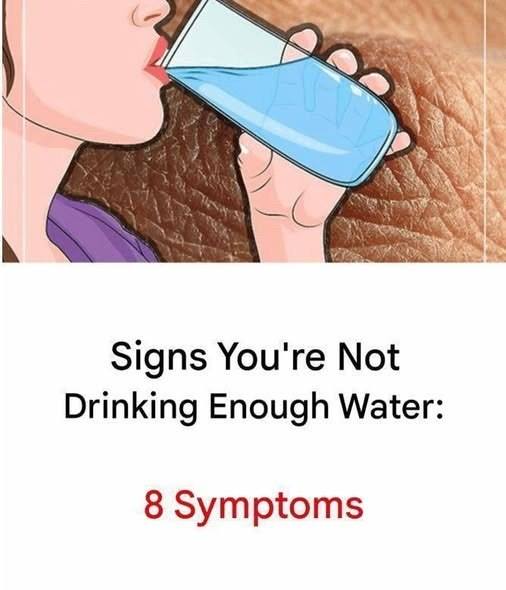
When you don’t drink enough water, your body becomes dehydrated — and even mild dehydration can affect how you feel and function.
Here’s what happens as dehydration gets worse:
Early signs
- Thirst
- Dry mouth or lips
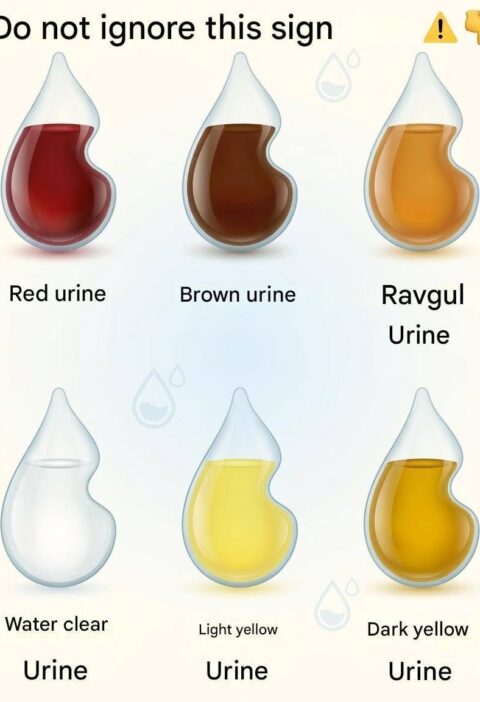
- Dark yellow urine
- Headache
- Fatigue or low energy
- Dizziness
- Trouble concentrating
Your blood volume drops slightly, so your heart has to work harder and your brain gets less efficient hydration.
Effects on the brain
Even mild dehydration can cause:
- Brain fog
- Irritability
- Slower reaction time
- Mood changes
The brain is very sensitive to fluid balance.
Effects on muscles and exercise
Without enough water:
- Muscles tire faster
- Cramps become more likely
- Body temperature rises more easily
- Physical performance drops
Water helps regulate temperature through sweating.
Digestive and kidney effects
Dehydration can lead to:
- Constipation
- Kidney stones
- Increased risk of urinary tract infections
Your kidneys try to conserve water by making urine more concentrated.
Skin and circulation
You may notice:
- Dry skin
- Feeling overheated
- Faster heartbeat
- Lower blood pressure
Severe dehydration (medical emergency)
Serious dehydration can cause:
- Confusion
- Fainting
- Rapid heartbeat
- Very little or no urination
- Sunken eyes
- Shock
This is especially dangerous for children, older adults, and people exercising in heat.
A common guideline is to drink enough so your urine stays pale yellow, though needs vary depending on heat, activity, body size, and diet. Foods like fruits, soups, and vegetables also contribute to hydration.