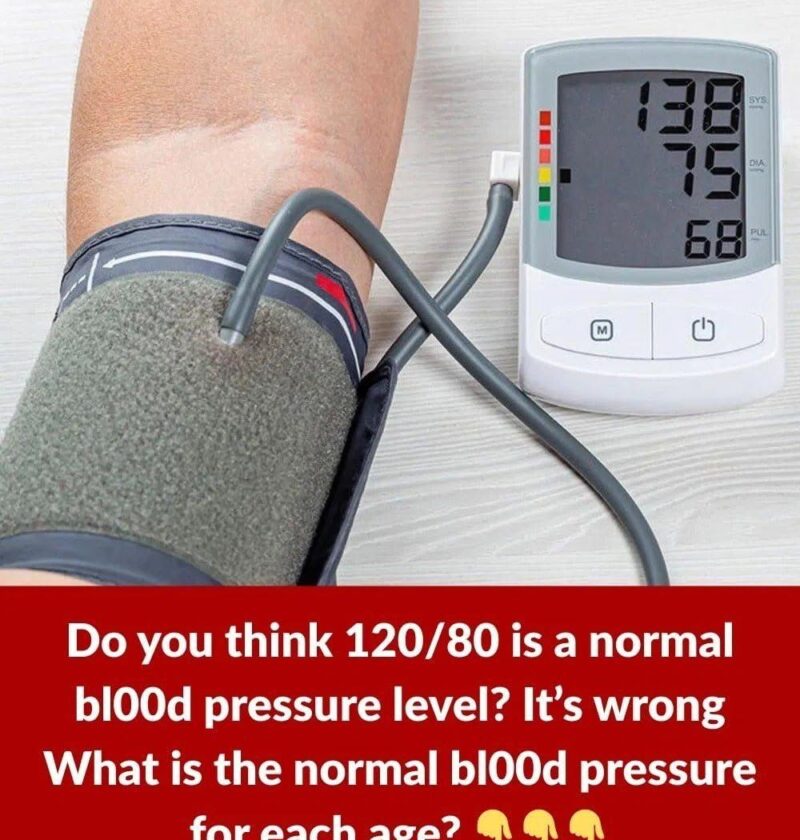
There is no single “normal” blood pressure number for every age. Blood pressure tends to rise slightly as people get older, but healthy targets are based more on overall health, medical conditions, and cardiovascular risk than age alone.
Blood pressure is written as systolic/diastolic (top number/bottom number), measured in mmHg.
| Age group | Typical healthy range (approx.) |
|---|---|
| Children | Varies widely by age, height, and sex; pediatric charts are used |
| Teens (13–17) | Around <120/80 is generally considered healthy |
| Adults (18–39) | About 90/60 to <120/80 is often considered normal |
| Adults (40–59) | Around <120/80 is ideal; many guidelines aim for <130/80 in people with hypertension |
| Adults 60+ | Often treated toward <130/80 when appropriate, depending on health and tolerance |
| Adults 80+ | Targets are individualized; avoiding dizziness and falls is important |
Blood pressure categories for adults
- Normal: Less than 120/80
- Elevated: 120–129 and less than 80
- High blood pressure (Stage 1): 130–139 or 80–89
- High blood pressure (Stage 2): 140 or higher or 90 or higher
- Hypertensive crisis: 180 and/or 120 or higher (especially with symptoms — seek urgent medical attention)
Things that can temporarily raise blood pressure
- Stress or anxiety
- Exercise shortly before measuring
- Caffeine
- Smoking
- Pain
- Poor sleep
- A full bladder
For the most accurate reading:
- Sit quietly for about 5 minutes
- Keep feet flat on the floor
- Support your arm at heart level
- Take multiple readings on different days
If you tell me your age, your blood pressure reading (for example 145/90), and whether you take any medication, I can help interpret it.