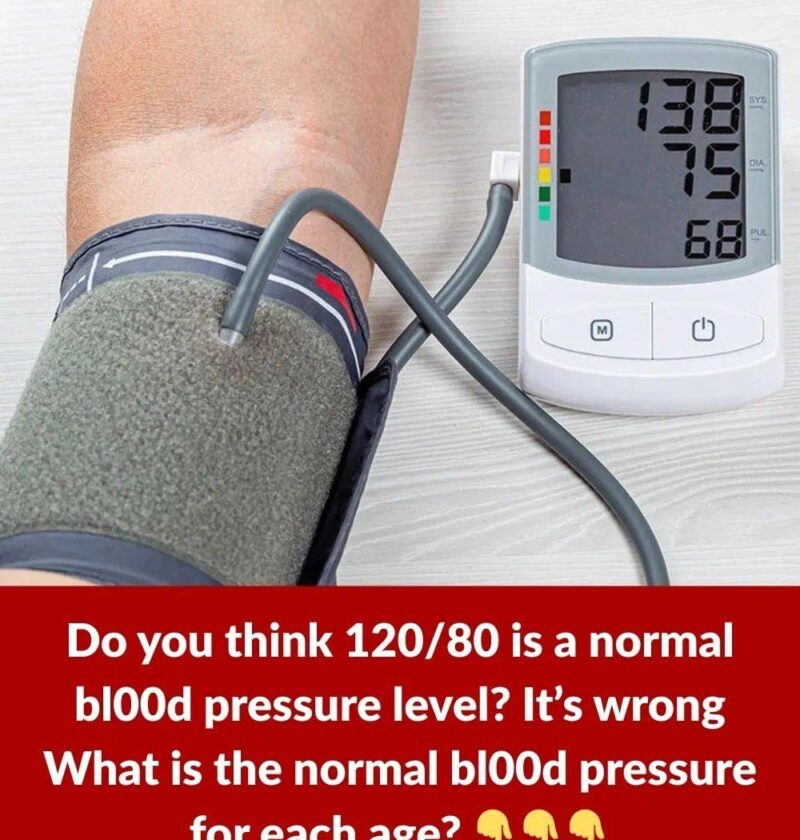
Blood pressure (BP) changes a bit with age, but for most healthy people, doctors mainly focus on “normal” adult ranges rather than exact age-by-age numbers.
Here’s a clear breakdown of typical ranges by age group:
🧒 Children (1–12 years)
Blood pressure varies a lot with height and growth, but general ranges are:
- Normal: about 90–110 / 55–75 mmHg
- Lower BP is common in younger kids and is usually fine if they feel well
🧑 Teenagers (13–19 years)
- Normal: about 100–120 / 60–80 mmHg
At this stage, BP starts to look more like adult values.
🧑🦱 Adults (20–39 years)
- Normal: around 110–120 / 70–80 mmHg
- Ideal: close to 120/80 mmHg or lower
🧑🦳 Middle age (40–59 years)
- Normal: around 110–130 / 70–85 mmHg
- Slight increase is common with age, but should stay under 130/80 ideally
👴 Older adults (60+ years)
- Normal range: about 120–140 / 70–90 mmHg
- Some increase is expected due to stiffening of blood vessels
⚠️ Important medical reference (all ages above ~13)
Doctors usually use the same categories:
- Normal: < 120/80 mmHg
- Elevated: 120–129 / <80
- High BP (Stage 1): 130–139 / 80–89
- High BP (Stage 2): ≥140 / ≥90
🚨 When to worry
- Low BP: below ~90/60 with dizziness, fainting, or weakness
- High BP: consistently above 130/80 (especially if repeated readings)
If you want, tell me your age and reading, and I can help interpret whether it’s normal or not.