That sounds like a classic easy peach cobbler—the kind of dessert that gets requested again and again because it uses simple pantry ingredients. Here’s a version using butter, sugar, and flour with minimal prep:
Easy 5-Minute Peach Cobbler
Ingredients
- ½ cup (1 stick) butter, melted
- 1 cup all-purpose flour
- 1 cup granulated sugar
- 1 cup milk
- 2 teaspoons baking powder
- 1 teaspoon vanilla extract
- 4 cups sliced peaches (fresh, frozen, or canned, drained)
- ½ teaspoon cinnamon (optional)
Instructions
- Preheat oven to 350°F (175°C).
- Pour melted butter into a baking dish (about 9×13 inches).
- In a bowl, mix flour, sugar, baking powder, milk, and vanilla until just combined.
- Pour the batter over the melted butter without stirring.
- Place peaches evenly over the batter.
- Sprinkle with cinnamon if desired.
- Bake for 40–50 minutes, until golden and bubbling.
- Let cool slightly before serving.
Serving idea
Serve warm with vanilla ice cream or whipped cream—the melted butter, sweet peaches, and soft cake-like topping are what make this dessert disappear so quickly at gatherings.
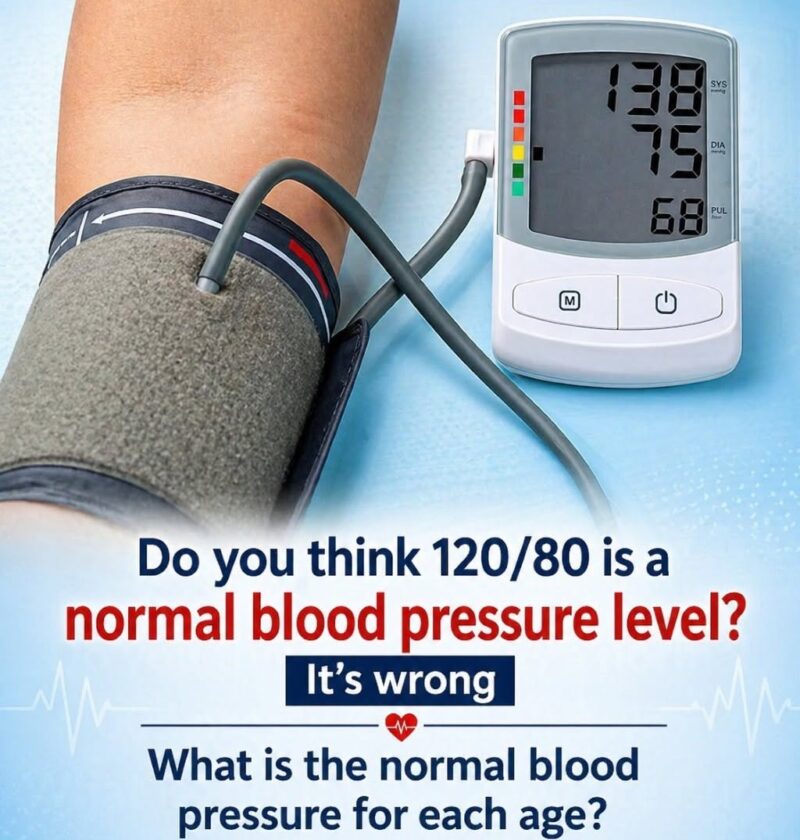
What Is The Normal Blood Pressure For Each Age
The idea that there is one “normal” blood pressure number for each age is a common misconception. Blood pressure targets are based more on overall health, medical history, and risk factors than age alone.
For most adults, a commonly used guide is:
| Age group | General blood pressure goal |
|---|---|
| 18–39 years | Around <120/80 mmHg is considered ideal |
| 40–59 years | Around <120/80 mmHg is still ideal; slightly higher readings may occur with age |
| 60+ years | Many guidelines aim for <130/80 mmHg for many healthy adults, but targets may be individualized |
Blood pressure categories (adults)
- Normal: Less than 120/80 mmHg
- Elevated: 120–129 and less than 80
- High blood pressure (Stage 1): 130–139 or 80–89
- High blood pressure (Stage 2): 140 or higher or 90 or higher
- Hypertensive crisis: 180 and/or 120 or higher (requires urgent attention, especially with symptoms)
Important points
- Blood pressure often rises somewhat with age, but high blood pressure is not considered a normal or harmless part of aging.
- A single high reading does not always mean you have hypertension—stress, pain, caffeine, exercise, and measurement technique can affect results.
- Older adults may have different treatment goals depending on conditions such as kidney disease, diabetes, heart disease, or risk of falls.
For a more accurate reading:
- Rest quietly for 5 minutes before measuring.
- Sit with your back supported and feet flat on the floor.
- Use a properly fitting arm cuff.
- Take multiple readings on different days.
If you share the person’s age and blood pressure reading (for example, 145/85), I can help explain what that number usually means.