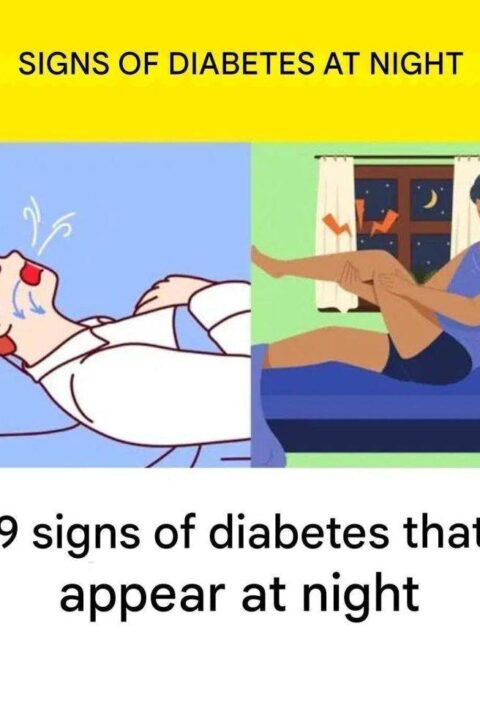
Night cramps (often called nocturnal leg cramps) are sudden, painful muscle contractions—usually in the calves or feet—that happen during sleep or rest. They’re common, and while often harmless, they can sometimes signal underlying risk factors.
Here’s who is most at risk:
1. Older adults
People over 50 are much more likely to experience night cramps.
Why:
- Natural loss of muscle mass (sarcopenia)
- Reduced nerve function efficiency
- More frequent circulation issues
2. Pregnant women
Night cramps are especially common in the second and third trimesters.
Why:
- Increased pressure on blood vessels
- Changes in mineral balance (calcium, magnesium)
- Muscle fatigue from weight gain
3. People with poor hydration or electrolyte imbalance
Low levels of key minerals can contribute to cramps.
Related factors:
- Low magnesium
- Low potassium
- Dehydration
- Excess sweating without replacement fluids
(Example mineral: Magnesium is often discussed in relation to muscle function.)
4. People who sit or stand for long periods
Occupational or lifestyle factors can increase risk.
Examples:
- Long hours at a desk
- Standing jobs (retail, teaching, healthcare)
- Limited leg movement during the day
This reduces circulation and muscle flexibility.
5. Athletes or physically active individuals
Cramps can happen after intense exercise.
Why:
- Muscle fatigue
- Overuse
- Fluid and electrolyte loss through sweat
6. People with certain medical conditions
Night cramps are more common in people with:
- Diabetes
- Peripheral artery disease
- Nerve disorders
- Kidney-related issues
7. Certain medications
Some medicines can increase cramp risk, including:
- Diuretics (“water pills”)
- Some asthma medications
- Certain cholesterol-lowering drugs (in some cases)
When to worry
Occasional cramps are usually harmless. However, seek medical advice if:
- Cramping is frequent and severe
- It disrupts sleep regularly
- It is associated with swelling, weakness, or numbness