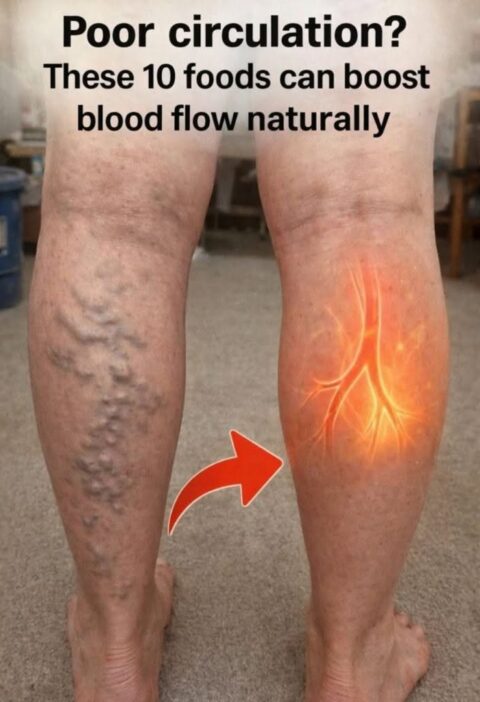
Night cramps (usually leg or foot cramps during sleep) are common, and they’re usually harmless—but certain groups of people are more likely to get them.
People most at risk of night cramps
1. Older adults
- Risk increases with age
- Muscles and nerves become less efficient
- More common after age 50–60
2. Pregnant women
- Especially in the 2nd and 3rd trimester
- Linked to circulation changes, pressure on nerves, and mineral shifts
3. People who are dehydrated
- Not drinking enough water or losing fluids (sweating, heat, diarrhea)
- Electrolyte imbalance can trigger cramps
4. People with circulation problems
- Poor blood flow to legs increases cramp risk
- Includes conditions like peripheral artery disease or prolonged sitting
5. People with certain medical conditions
Higher risk if you have:
- Diabetes
- Kidney disease
- Thyroid disorders
6. People taking certain medications
Some medicines increase cramp risk, such as:
- Diuretics (“water pills”)
- Statins (cholesterol-lowering drugs)
- Some asthma or blood pressure medications
7. Athletes or physically active people
- Muscle fatigue or overuse during the day
- Improper stretching before sleep
Important note
Most night cramps are benign and not dangerous, but they can sometimes signal:
- Mineral imbalance (magnesium, potassium, calcium)
- Nerve irritation
- Poor hydration or circulation
When to see a doctor
- Cramps are frequent and severe
- One leg is consistently worse than the other
- There is swelling, redness, or persistent pain
- You also have weakness or numbness
If you want, I can also explain how to stop night cramps instantly when they happen and the most effective prevention methods.