Night cramps (most often nocturnal leg cramps, sudden painful muscle tightening at night) can happen to anyone, but some groups are more likely to experience them.
🦵 Who is most at risk?
👵 Older adults
- The most commonly affected group
- Muscles and nerves become less efficient with age
- More likely to have underlying circulation or nerve issues
🤰 Pregnant women
- Especially in the 2nd and 3rd trimester
- Linked to changes in circulation, pressure on nerves, and mineral shifts
🏃 People who are physically active (or overworked muscles)
- Athletes or people who stand/walk a lot
- Muscle fatigue increases cramp risk, especially at night
💧 People with dehydration or low minerals
- Low magnesium, potassium, or calcium can contribute
- Common in hot climates or low-fluid intake
🩺 People with certain health conditions
Higher risk if you have:
- Diabetes
- Kidney disease
- Thyroid disorders
- Peripheral artery disease (poor blood flow)
- Nerve disorders
💊 People taking certain medications
Some medicines can increase cramps, such as:
- Diuretics (“water pills”)
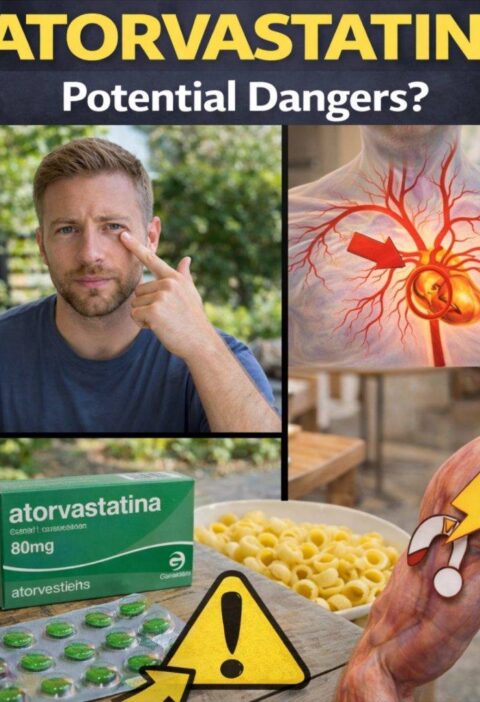
- Statins (cholesterol-lowering drugs)
- Some asthma or blood pressure medications
🧠 Key point
Most night cramps are benign but annoying, and often linked to muscle fatigue, hydration, or circulation—not a serious disease on their own.
However, if cramps are:
- Very frequent
- Severe or worsening
- Accompanied by swelling, weakness, or numbness
…it’s worth getting checked.
If you want, I can also explain why night cramps happen specifically during sleep or give quick home remedies to stop them in seconds.