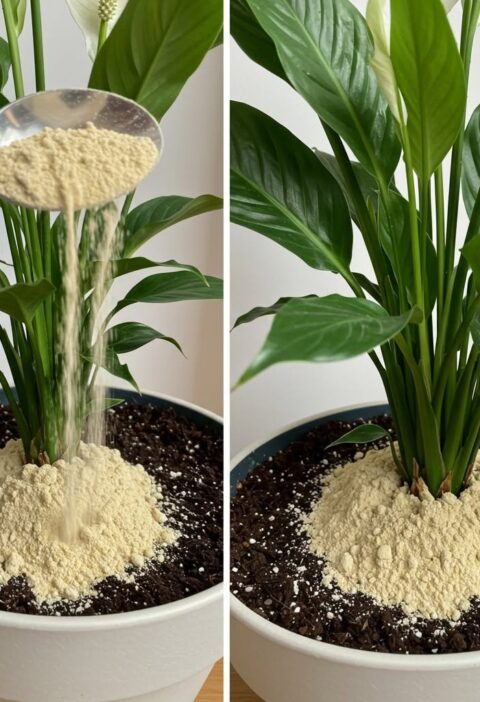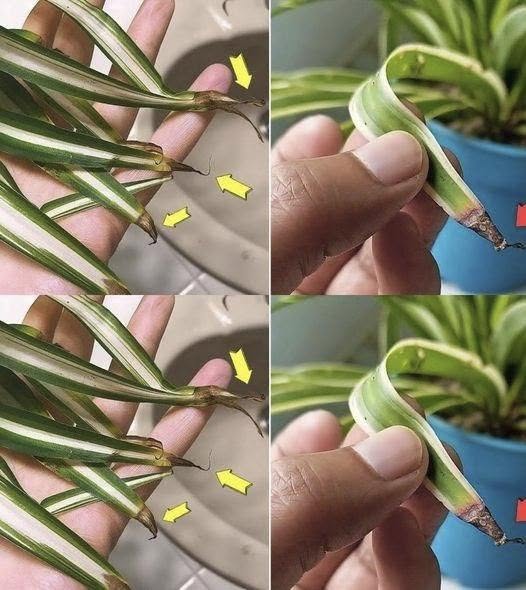
Brown tips on herbaceous plants are usually a stress signal, and the cause is often environmental rather than disease. Herbaceous plants (soft-stemmed plants like many houseplants, vegetables, and flowers) are sensitive to small changes in water, humidity, and nutrients.
Common reasons include:
1. Underwatering or irregular watering
When the plant dries out, the tips are the first part to lose moisture. This leads to drying and browning, especially in older leaves.
2. Low humidity
Dry indoor air (common with air conditioning, heaters, or hot weather) pulls moisture from leaf tips faster than roots can replace it.
3. Salt or fertilizer buildup
Excess fertilizer or hard water can cause salts to accumulate in the soil, which “burns” leaf tips.
4. Overfertilizing
Too many nutrients, especially nitrogen or minerals, can damage delicate root systems and lead to tip burn.
5. Water quality issues
Chlorine, fluoride, or very hard water can cause sensitivity in some plants, leading to browning edges.
6. Root stress or damage
If roots are compacted, rotting, or unhealthy, the plant cannot move water efficiently to the leaves.
7. Environmental stress
Sudden temperature changes, drafts, or too much direct sun can also contribute.
In most cases, it’s not one single cause but a combination—especially watering + humidity + fertilizer balance.
If you want, tell me what plant you’re dealing with and how you care for it, and I can help pinpoint the exact cause.