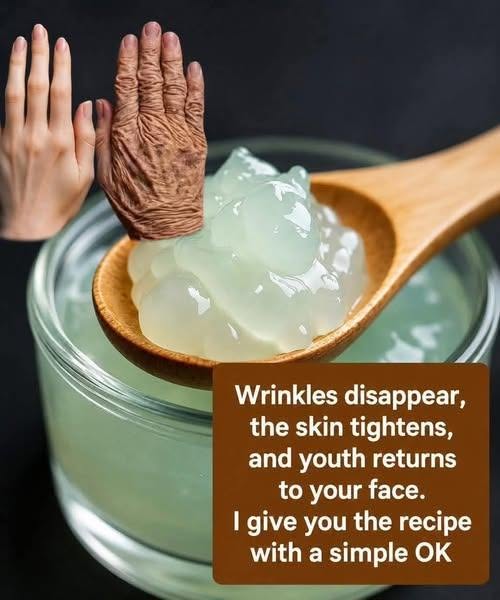
The desire for youthful, radiant skin has existed for centuries. From ancient beauty rituals to modern skincare innovations, people have always searched for ways to reduce wrinkles, improve skin elasticity, and maintain a healthy complexion. Today, social media is filled with claims promising instant results, including headlines such as “Wrinkles disappear, skin tightens, and youth returns to your face!” While these statements may attract attention, the truth is that healthy, youthful-looking skin is usually the result of consistent care rather than a single miracle solution.
The good news is that there are scientifically supported ways to improve the appearance of aging skin. By understanding why wrinkles form and what factors influence skin health, you can make informed choices that support a smoother, firmer, and more radiant complexion over time.
In this article, we’ll explore the causes of skin aging, effective skincare habits, nutrition for healthy skin, and realistic ways to maintain a youthful appearance naturally.
Understanding Why Skin Ages
Aging is a natural biological process that affects every organ in the body, including the skin. As we get older, several changes occur beneath the skin’s surface that contribute to wrinkles, sagging, and loss of firmness.
Declining Collagen Production
Collagen is the most abundant protein in the skin and plays a critical role in maintaining structure and firmness. Beginning in early adulthood, the body’s collagen production gradually decreases.
As collagen levels decline:
- Skin becomes thinner
- Fine lines become more noticeable
- Wrinkles develop more easily
- Skin loses firmness and elasticity
This process is a normal part of aging but can be accelerated by lifestyle and environmental factors.
Reduced Elastin Levels
Elastin is another important protein that allows skin to stretch and return to its original shape. Over time, elastin fibers weaken, making skin less resilient and more prone to sagging.
Slower Cell Renewal
Young skin renews itself quickly, replacing old cells with fresh ones. As we age, this renewal process slows, leading to a duller complexion and uneven skin texture.
Common Causes of Premature Wrinkles
While aging itself contributes to wrinkles, several external factors can speed up the process.
Sun Exposure
Ultraviolet (UV) radiation is one of the leading causes of premature skin aging.
Long-term sun exposure can:
- Break down collagen
- Damage elastin fibers
- Cause age spots
- Increase skin roughness
- Promote wrinkle formation
This process is often referred to as photoaging.
Smoking
Smoking reduces blood flow to the skin and exposes it to harmful chemicals that damage collagen and elastin.
People who smoke often develop:
- Deeper wrinkles
- Dull skin tone
- Premature signs of aging
Poor Nutrition
A diet lacking essential nutrients may negatively affect skin health.
The skin requires:
- Vitamins
- Minerals
- Healthy fats
- Protein
- Antioxidants
to maintain normal structure and function.
Chronic Stress
Long-term stress can affect hormones and inflammation levels throughout the body, potentially impacting skin appearance and overall health.
The Role of Nutrition in Healthy Skin
What you eat can influence how your skin looks and feels.
Vitamin C
Vitamin C supports collagen production and acts as an antioxidant that helps protect skin from oxidative stress.
Foods rich in vitamin C include:
- Oranges
- Strawberries
- Kiwi
- Bell peppers
- Broccoli
Healthy Fats
Omega-3 fatty acids help support the skin barrier and maintain hydration.
Sources include:
- Fatty fish
- Walnuts
- Chia seeds
- Flaxseeds
Protein
Protein provides the building blocks needed for collagen and tissue repair.
Good sources include:
- Lean meats
- Fish
- Eggs
- Beans
- Lentils
Antioxidant-Rich Foods
Antioxidants help combat free radical damage associated with aging.
Examples include:
- Berries
- Leafy greens
- Tomatoes
- Nuts
- Green tea
Hydration and Skin Appearance
Proper hydration is essential for overall health and contributes to healthy skin function.
Although drinking water alone cannot eliminate wrinkles, adequate hydration may help skin appear:
- More supple
- More comfortable
- Less dry
- Healthier overall
Maintaining hydration is a simple but important part of a skincare routine.
Daily Habits That Support Youthful-Looking Skin
Wear Sunscreen Every Day
Daily sun protection remains one of the most effective strategies for maintaining healthy-looking skin.
Choose a broad-spectrum sunscreen and apply it consistently, even on cloudy days.
Get Enough Sleep
Quality sleep supports numerous biological processes involved in skin repair and renewal.
Many experts recommend:
- 7 to 9 hours of sleep per night
- Consistent sleep schedules
- Good sleep hygiene practices
Exercise Regularly
Physical activity promotes healthy circulation, which helps deliver oxygen and nutrients throughout the body.
Regular exercise may contribute to:
- Improved skin appearance
- Better overall health
- Reduced stress
Avoid Smoking
Avoiding tobacco products benefits both skin health and overall well-being.
Popular Skincare Ingredients for Aging Skin
Many skincare products contain ingredients designed to support smoother-looking skin.
Common examples include:
Retinoids
Retinoids are vitamin A derivatives widely used in skincare.
They may help:
- Improve skin texture
- Reduce the appearance of fine lines
- Support collagen production
Hyaluronic Acid
Hyaluronic acid attracts moisture and helps the skin maintain hydration.
It is commonly used in:
- Serums
- Moisturizers
- Cosmetic treatments
Peptides
Peptides are small protein fragments that may help support skin structure and appearance.
Niacinamide
Niacinamide is a form of vitamin B3 often used to improve skin texture and support the skin barrier.
Can Wrinkles Really Disappear?
Many advertisements suggest that wrinkles can disappear completely. In reality, this is rarely possible.
What many skincare products and treatments can do is:
- Improve hydration
- Reduce the appearance of fine lines
- Enhance skin texture
- Improve firmness
- Support healthier-looking skin
Results vary from person to person depending on age, genetics, lifestyle, and overall skin condition.
Professional Cosmetic Options
For individuals seeking more noticeable improvements, professional treatments may be considered.
Examples include:
- Chemical peels
- Laser treatments
- Microneedling
- Injectable procedures
- Radiofrequency treatments
A qualified dermatologist or skincare professional can discuss appropriate options based on individual goals and skin type.
The Importance of Realistic Expectations
Healthy skin is not about eliminating every wrinkle. Aging is a natural process that affects everyone.
The goal of good skincare should be to:
- Support skin health
- Maintain hydration
- Protect against damage
- Improve comfort and appearance
- Promote confidence
Consistent habits often produce better long-term results than quick fixes or miracle claims.
Final Thoughts
While headlines promising that “wrinkles disappear, skin tightens, and youth returns to your face” may sound appealing, healthy skin is usually achieved through consistent care rather than instant solutions.
Protecting your skin from sun damage, eating a nutrient-rich diet, staying hydrated, getting enough sleep, exercising regularly, and following an appropriate skincare routine can all contribute to a healthier and more youthful appearance.
The most effective beauty strategy is not chasing unrealistic promises but building habits that support your skin for years to come.