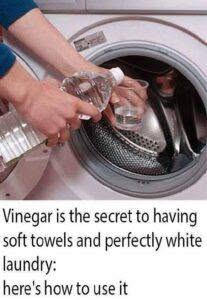
Yes, Vinegar Helps Clean the Washing Machine Thoroughly: Here’s How to Use It
A washing machine is designed to clean clothes, but over time it can also collect dirt, detergent residue, fabric softener buildup, mineral deposits, and unpleasant odors. Even though the machine is constantly exposed to water, it does not clean itself completely. Regular maintenance is important to keep it working efficiently and to prevent musty smells from transferring to freshly washed clothes.
One simple household ingredient that many people use for washing machine cleaning is vinegar. White vinegar contains acetic acid, which can help loosen soap residue, dissolve some mineral deposits, and reduce odors. When used correctly, vinegar can be a helpful part of a regular washing machine cleaning routine.
Why Use Vinegar to Clean a Washing Machine?
Over time, washing machines can develop buildup in several areas:
- Detergent and fabric softener residue: Excess products can stick inside the drum, dispensers, and pipes.
- Mineral deposits: Hard water can leave behind deposits that affect performance.
- Odors: Moist environments can encourage the growth of odor-causing bacteria and mold, especially around rubber seals and detergent drawers.
- Dull-looking drum surfaces: Dirt and residue can accumulate even when the machine appears clean.
White vinegar may help break down some of this buildup and leave the machine smelling fresher.
What You Need
Before starting, gather:
- 2 cups of white distilled vinegar
- A clean microfiber cloth or sponge
- An old toothbrush (optional)
- Warm water
Avoid using colored vinegar because it may stain surfaces.
How to Clean a Top-Loading Washing Machine With Vinegar
Step 1: Empty the Washing Machine
Make sure the drum is completely empty. Remove any clothing, towels, or other items before beginning the cleaning process.
Step 2: Add Vinegar
Pour about 2 cups of white distilled vinegar directly into the washing machine drum. Do not mix vinegar with bleach, as the combination can create harmful fumes.
Step 3: Run a Hot Cycle
Select the longest wash cycle with hot water. Allow the machine to complete the full cycle. The heat and vinegar help loosen residue from the inside of the drum and other internal areas.
Step 4: Wipe the Interior
After the cycle finishes, open the lid and wipe the inside of the drum with a clean cloth. Pay attention to corners and areas where residue may collect.
Step 5: Clean the Dispensers
Remove detergent and fabric softener trays if possible. Wash them with warm water and use a toothbrush to clean small spaces where buildup gathers.
How to Clean a Front-Loading Washing Machine With Vinegar
Front-loading machines often require extra attention because moisture can remain trapped around the rubber door gasket.
Step 1: Clean the Rubber Seal
Pull back the rubber gasket around the door and check for dirt, lint, or residue. Wipe the area with a cloth dipped in a vinegar-water solution.
Step 2: Add Vinegar to the Drum
Place about 2 cups of white vinegar inside the drum and run a hot cleaning cycle.
Step 3: Wipe the Door and Seal
After the cycle ends, leave the door open to allow the interior to dry. This helps prevent unpleasant smells from returning.
How Often Should You Clean Your Washing Machine?
The frequency depends on how often you use your machine and the type of water supply.
- Heavy use: Clean once a month.
- Moderate use: Clean every 2–3 months.
- Areas with hard water: More frequent cleaning may be helpful.
Regular cleaning also includes leaving the door open after washing, removing wet clothes promptly, and not using excessive detergent.
Important Safety Tips
Although vinegar is a popular natural cleaning option, it should be used carefully:
- Never mix vinegar with bleach. The combination can produce dangerous chlorine gas.
- Check your washing machine manual. Some manufacturers may advise against using vinegar regularly because acidic substances can affect certain rubber seals or components over time.
- Do not overuse vinegar. Occasional cleaning is usually sufficient; frequent heavy use is unnecessary.
Vinegar and Baking Soda: Should You Use Both?
Many people combine vinegar and baking soda for cleaning, but when used together they react and reduce each other’s cleaning effects. If you choose to use both, it is better to use them separately rather than at the same time.
For example:
- Run a vinegar cleaning cycle first.
- Wipe the machine afterward.
- Use baking soda separately if you want additional odor control.
Other Ways to Keep Your Washing Machine Fresh
Along with occasional vinegar cleaning, follow these habits:
- Leave the washing machine door open after each use.
- Clean the detergent drawer regularly.
- Avoid using too much detergent.
- Remove lint and debris from filters when required.
- Wipe the rubber gasket on front-loading machines.
- Use the machine’s self-clean cycle if available.
Final Thoughts
Vinegar can be a useful and affordable option for helping clean a washing machine, especially for reducing odors and loosening some residue. A simple cleaning routine using white distilled vinegar, combined with good maintenance habits, can help keep your washing machine fresher and performing well.
However, vinegar is not a replacement for proper machine care or manufacturer-recommended cleaning products. Always follow your washing machine’s instructions and use cleaning methods that are suitable for your specific appliance.
I can also adapt this into a blog-style article with SEO headings, a catchy introduction, and meta description if you need it for publishing.