Early Warning Signs of Heart Health Problems You Should Not Ignore
🫀 Why Paying Attention to Heart Signals Matters
The heart is one of the most vital organs in the human body, responsible for pumping oxygen-rich blood throughout the system. When something is not functioning properly, the body often sends early warning signals.
Many people ignore these subtle symptoms because they may seem minor at first. However, recognizing potential warning signs early can be important for seeking timely medical evaluation and maintaining long-term cardiovascular health.
Heart-related conditions do not always begin with severe pain. In many cases, the body shows gradual and noticeable changes that may indicate the need for medical attention.
It is important to remember that these signs do not confirm a heart disease on their own, but they may suggest that a check-up with a healthcare professional is necessary.
⚠️ 1. Unusual Chest Discomfort or Pressure
One of the most commonly discussed heart-related warning signs is discomfort in the chest area. This may feel like:
- Pressure or heaviness
- Tightness in the chest
- Burning sensation that is not related to digestion
While not all chest discomfort is heart-related, persistent or recurring symptoms should always be evaluated by a medical professional.
😮💨 2. Shortness of Breath During Light Activity
Difficulty breathing during everyday tasks such as walking, climbing stairs, or light exercise may indicate that the heart is not pumping efficiently.
This symptom can appear gradually and may be mistaken for lack of fitness or aging. However, ongoing breathlessness should not be ignored.
😴 3. Persistent Fatigue or Low Energy
Feeling unusually tired even after adequate rest may sometimes be linked to reduced oxygen circulation in the body.
When the heart is under strain, it may not supply enough oxygen-rich blood to meet the body’s needs, leading to constant fatigue or weakness.
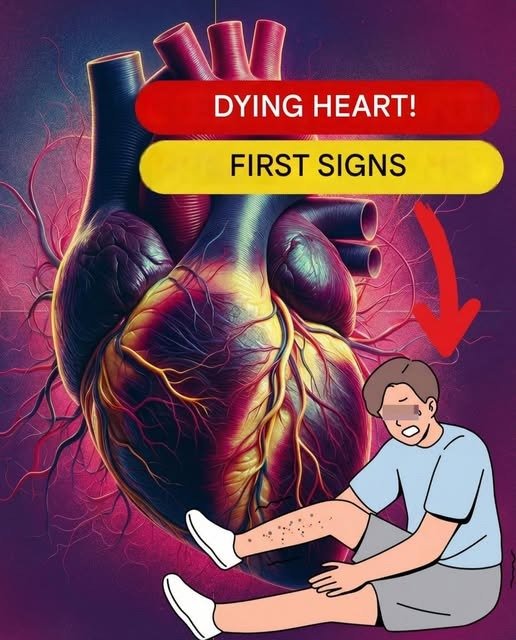
🦵 4. Swelling in Feet, Ankles, or Legs
Fluid retention in the lower parts of the body can sometimes be associated with heart function issues.
This swelling may appear gradually and may be more noticeable at the end of the day. It is important to consult a doctor if swelling persists or worsens.
💓 5. Irregular or Rapid Heartbeat
A heartbeat that feels too fast, too slow, or irregular can sometimes indicate an underlying rhythm issue.
Occasional palpitations may occur due to stress or caffeine, but frequent or unexplained irregular heartbeat patterns should be checked medically.
😵 6. Dizziness or Lightheadedness
Feeling dizzy, faint, or unsteady may be related to reduced blood flow or changes in blood pressure.
If these episodes occur repeatedly or without a clear reason, it is important to seek medical evaluation.
🧠 Why These Symptoms Should Not Be Self-Diagnosed
These warning signs can be caused by many different conditions, not only heart-related issues. Stress, dehydration, anemia, infections, and lifestyle factors can also produce similar symptoms.
That is why self-diagnosis based on symptoms alone is not reliable. A proper medical assessment is necessary for accurate understanding.
🏥 When to Seek Immediate Medical Help
You should seek urgent medical attention if you experience:
- Severe chest pain or pressure
- Pain spreading to the arm, jaw, or back
- Sudden shortness of breath
- Fainting or near-fainting episodes
These may require emergency evaluation.
❤️ Supporting Heart Health Through Lifestyle
Maintaining heart health is strongly connected to daily habits such as:
- Eating a balanced diet rich in fruits and vegetables
- Regular physical activity
- Managing stress levels
- Avoiding smoking
- Controlling blood pressure and cholesterol