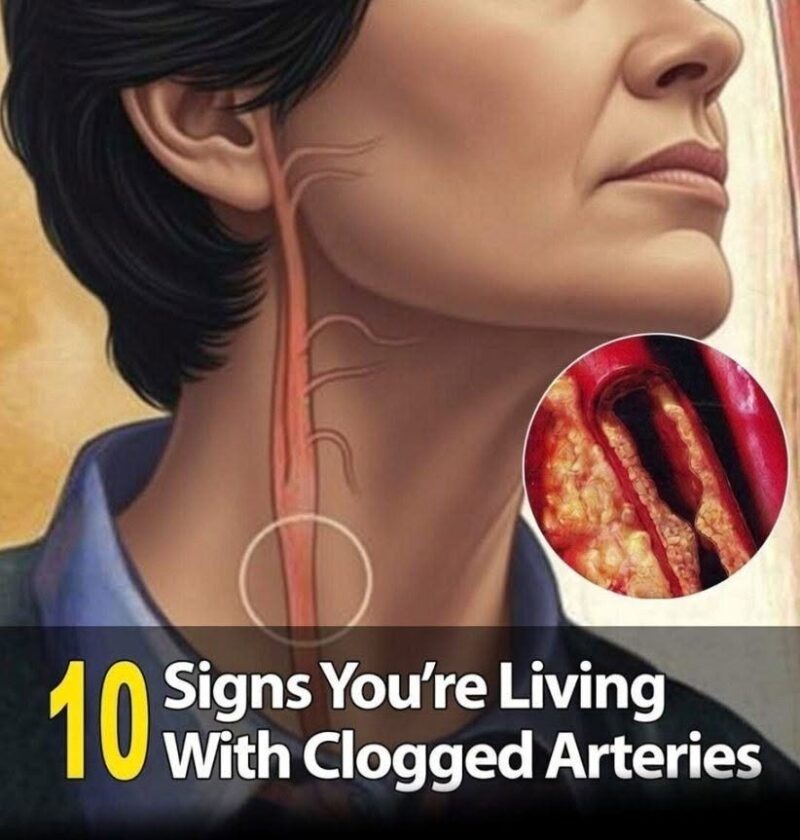
10 Indicators of Blocked Arteries You Shouldn’t Ignore
Blocked arteries usually develop because of atherosclerosis, a buildup of plaque inside blood vessels that can restrict blood flow. Some people have few or no symptoms until the blockage becomes significant, but these warning signs may deserve medical attention:
1. Chest pain or pressure
- A feeling of squeezing, heaviness, tightness, or discomfort in the chest—especially during physical activity—can be a sign of reduced blood flow to the heart.
2. Shortness of breath
- Breathlessness during routine activities or exercise may occur when the heart is struggling to receive enough oxygen.
3. Pain spreading beyond the chest
- Discomfort that travels to the arm, shoulder, neck, jaw, or back can be associated with heart artery problems.
4. Unusual tiredness
- Persistent fatigue or reduced ability to do normal activities may sometimes be linked to cardiovascular issues.
5. Leg pain when walking
- Cramping, aching, or heaviness in the calves or thighs that improves with rest may indicate reduced circulation in the leg arteries.
6. Numbness, tingling, or coldness in the feet or legs
- Poor blood flow can affect temperature and sensation in the limbs.
7. Slow-healing sores or wounds
- Reduced circulation, especially in the feet, can make injuries take longer to heal.
8. Dizziness or fainting episodes
- In some cases, reduced blood flow or heart-related problems may contribute to these symptoms.
9. Erectile difficulties
- Blood vessel problems can affect circulation and may sometimes appear before other signs of vascular disease.
10. Sudden stroke warning signs
- Sudden facial drooping, weakness in one arm, trouble speaking, confusion, vision changes, or loss of balance can indicate a blocked artery supplying the brain.
When to seek emergency help
Call emergency services immediately for:
- Chest pressure or pain that lasts several minutes or returns
- Sudden weakness on one side of the body
- Sudden speech or vision problems
- Severe breathing difficulty or fainting
Protecting artery health
- Control blood pressure, cholesterol, and blood sugar
- Avoid smoking and tobacco products
- Exercise regularly
- Eat a diet rich in vegetables, fruits, whole grains, and healthy proteins
- Take prescribed medicines as directed
- Get regular health screenings based on your risk factors
Blocked arteries can often be managed more effectively when detected early, so ongoing or unexplained symptoms should be evaluated by a healthcare professional.