10 Possible Signs of Blocked Arteries You Shouldn’t Ignore
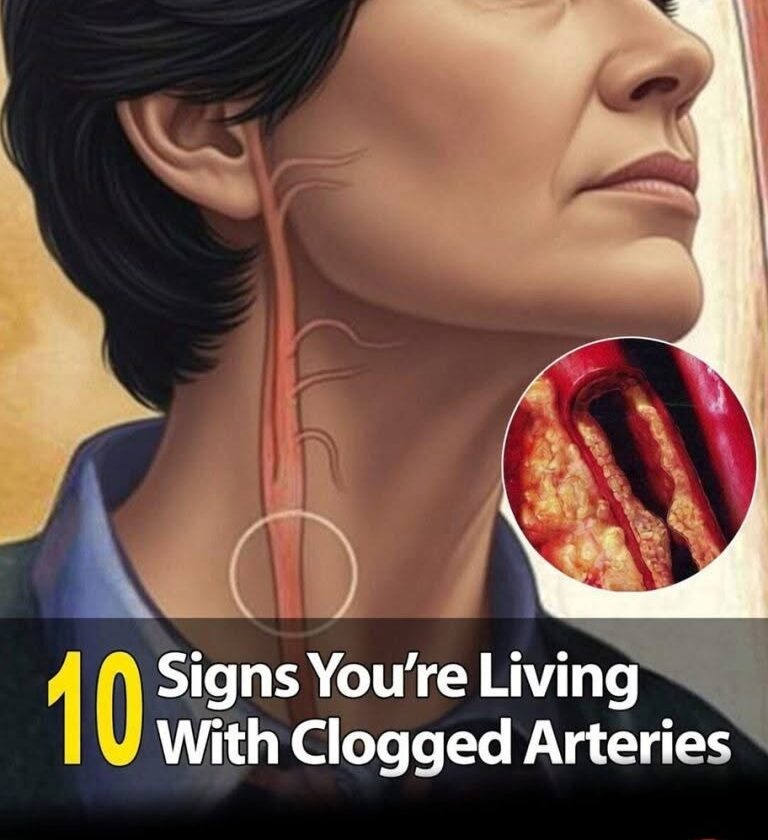
“Blocked arteries” usually refers to atherosclerosis—the buildup of fatty deposits (plaque) inside blood vessels. It can develop slowly and may not cause symptoms until blood flow becomes significantly reduced. Some people have no warning signs, which is why regular health checks are important.
Here are 10 symptoms that may be linked to reduced blood flow and should be evaluated:
1. Chest pain or pressure (angina)
- A feeling of squeezing, heaviness, tightness, or burning in the chest.
- It may occur during activity or stress and improve with rest.
2. Shortness of breath
- Reduced blood flow to the heart can make it harder for the heart to meet the body’s demands.
3. Pain in the legs during walking
- Cramping or aching in the calves, thighs, or hips during activity that improves with rest may suggest reduced circulation in the leg arteries.
4. Coldness or numbness in the limbs
- Poor circulation may cause hands or feet to feel unusually cold or numb.
5. Slow-healing wounds
- Reduced blood flow, especially in the legs and feet, can make cuts or sores heal more slowly.
6. Dizziness or fainting
- Reduced blood flow to the brain or heart rhythm problems may contribute to these symptoms.
7. Heart palpitations or unusual heartbeat sensations
- Atherosclerosis can be associated with heart disease, which may affect heart rhythm.
8. Unusual fatigue
- Feeling extremely tired with normal activities can sometimes be a sign that the heart is working harder.
9. Erectile dysfunction (in some men)
- Blood vessel problems can affect circulation throughout the body, including blood flow needed for erections.
10. Stroke warning symptoms
Seek emergency help for sudden:
- Face drooping
- Arm weakness
- Speech difficulty
- Vision changes
- Loss of balance