8 Warning Signs of Stroke and 9 Tips to Help Prevent It
The claim that “8 warning signs appear exactly one month before a stroke” is not medically proven. A stroke can happen suddenly, and many people do not have symptoms beforehand. However, some people may experience warning episodes called a transient ischemic attack (TIA), sometimes known as a “mini-stroke,” which can signal a higher risk of a future stroke.
8 warning signs you should never ignore
1. Sudden weakness or numbness
- Weakness, tingling, or loss of feeling in the face, arm, or leg—especially on one side.
2. Face drooping
- One side of the face may appear uneven or feel weak.
3. Speech difficulties
- Slurred speech, trouble finding words, or difficulty understanding others.
4. Sudden vision changes
- Blurred vision, double vision, or loss of vision in one or both eyes.
5. Sudden dizziness or loss of balance
- Trouble walking, poor coordination, or unexplained unsteadiness.
6. Severe or unusual headache
- A sudden, intense headache—especially if it is different from previous headaches—can be a warning sign.
7. Sudden confusion
- Difficulty thinking clearly, understanding information, or recognizing familiar situations.
8. Symptoms that come and go
- Brief episodes of stroke-like symptoms that disappear may still require urgent medical attention.
Remember FAST
- F — Face: Is one side drooping?
- A — Arms: Is one arm weak or numb?
- S — Speech: Is speech unclear?
- T — Time: Call emergency services immediately.
9 ways to help reduce stroke risk
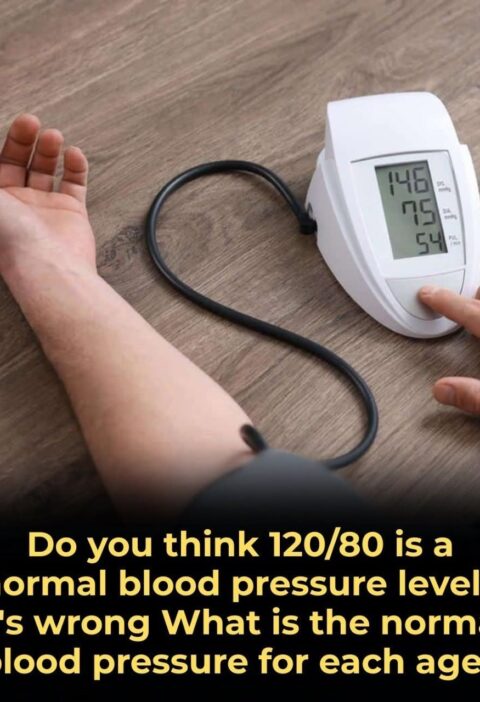
1. Control blood pressure
High blood pressure is one of the strongest risk factors for stroke.
2. Manage cholesterol levels
Keeping cholesterol in a healthy range can help protect blood vessels.
3. Control blood sugar
Diabetes increases stroke risk, so monitoring and treatment are important.
4. Avoid smoking and tobacco
Smoking damages blood vessels and increases clot risk.
5. Stay physically active
Regular movement supports heart and blood vessel health.
6. Eat a balanced diet
Focus on:
- Vegetables and fruits
- Whole grains
- Lean proteins
- Healthy fats
Limit excessive salt and highly processed foods.
7. Maintain a healthy weight
A healthy weight can improve blood pressure, cholesterol, and blood sugar control.
8. Limit alcohol
Excessive alcohol intake can raise blood pressure and stroke risk.
9. Take prescribed medicines as directed
Medicines for blood pressure, cholesterol, diabetes, or heart conditions work best when taken consistently.
Important: If stroke symptoms appear—even if they disappear after a few minutes—seek emergency medical care. Quick treatment can greatly improve the chances of recovery.