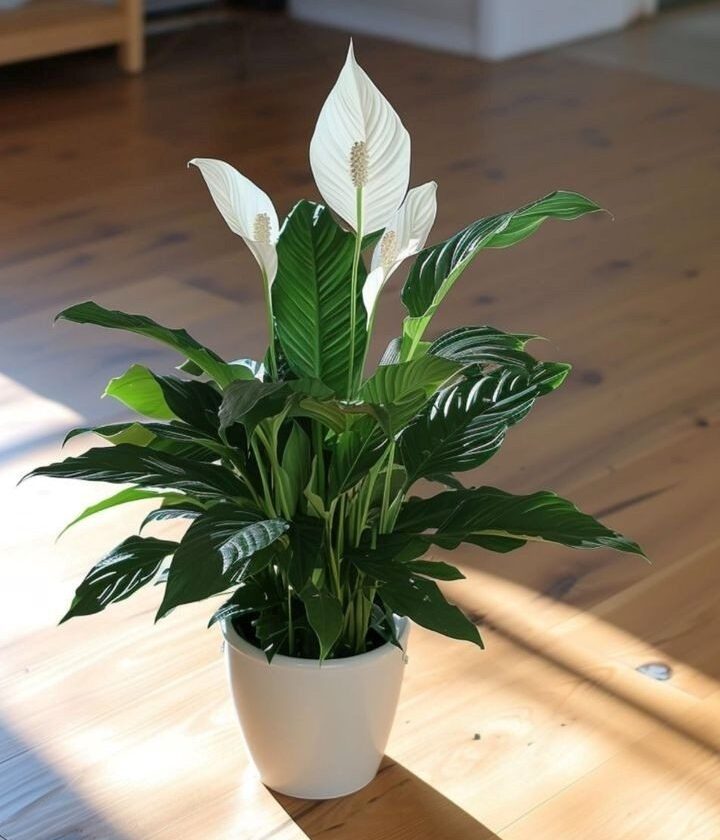
11 Proven Ways to Get Your Peace Lily to Bloom Again (Indoor Plant Flowering Guide)
Focus Keywords: peace lily not blooming, how to make peace lily flower, peace lily care tips, indoor plant blooming hacks, Spathiphyllum flowering tips, peace lily light and fertilizer guide
PART 1: Complete Guide to Encouraging Peace Lily Blooms Indoors (1500+ Words)
Why Peace Lilies Stop Flowering Indoors
The peace lily, scientifically known as Spathiphyllum, is one of the most popular indoor plants because of its elegant white blooms and air-purifying qualities. However, many plant owners notice a common issue: the plant grows healthy green leaves but refuses to flower.
This usually happens due to environmental imbalance rather than disease. In most cases, a peace lily will only bloom when it feels “comfortable” in its conditions.
Key reasons for no blooms include:
- Insufficient light
- Overwatering or underwatering
- Lack of nutrients
- Old or compact soil
- Stress from repotting or temperature changes
Understanding these factors is the first step toward encouraging flowering again.
1. Provide the Right Amount of Light (Most Important Factor)
Peace lily
Peace lilies thrive in bright, indirect light. This is the most important condition for blooming.
What happens with low light:
- Plant survives but focuses on leaf growth
- Flower production stops
- Growth becomes slow and weak
Ideal lighting conditions:
- Near a north or east-facing window
- Filtered sunlight through curtains
- Bright room without direct harsh sun
Direct sunlight should be avoided because it can scorch leaves, but too little light is the main reason blooming stops completely.
2. Use Proper Watering Technique (Not Too Much, Not Too Little)
Peace lilies are sensitive to watering mistakes.
Best practice:
- Water when top 1–2 inches of soil feels dry
- Use room-temperature water
- Ensure pot has drainage holes
Overwatering issues:
- Root rot
- Yellow leaves
- No flowering response
Underwatering issues:
- Drooping leaves
- Stress response
- Reduced blooming energy
Consistency is key for healthy flower development.
3. Feed the Plant with Balanced Fertilizer
To encourage blooms, the plant needs nutrients.
Best fertilizer type:
- Balanced liquid fertilizer (10-10-10 or 20-20-20)
- Or slightly higher phosphorus for flowering support
Feeding schedule:
- Every 4–6 weeks during growing season (spring and summer)
- Reduce feeding in winter
Too much fertilizer can burn roots, so moderation is important.
4. Keep the Temperature Stable
Peace lilies prefer stable indoor conditions.
Ideal range:
- 18°C to 27°C (65°F to 80°F)
Avoid:
- Cold drafts
- Sudden temperature changes
- Placement near heaters or AC vents
Stress from temperature swings can stop blooming completely.
5. Increase Humidity Around the Plant
As tropical plants, peace lilies love humidity.
Signs of low humidity:
- Brown leaf tips
- Slow growth
- No flowers
How to increase humidity:
- Mist leaves lightly
- Place water tray near plant
- Use a humidifier
- Group plants together
Higher humidity encourages healthier growth and flowering potential.
6. Repot When Roots Become Crowded
Root-bound plants often stop blooming.
Signs of root-bound peace lily:
- Roots growing out of drainage holes
- Soil dries too quickly
- Plant looks crowded in pot
Solution:
- Repot every 1–2 years
- Use slightly larger pot
- Refresh with nutrient-rich soil
Fresh soil gives the plant new energy to produce flowers.
7. Use the Right Soil Mix
Soil quality directly affects blooming.
Ideal soil:
- Well-draining potting mix
- Rich in organic matter
- Slightly moist but not soggy
Poor soil leads to:
- Poor nutrient absorption
- Weak root system
- No flowering response
8. Remove Old Flowers and Yellow Leaves
Dead or fading parts drain plant energy.
Benefits of pruning:
- Encourages new growth
- Improves airflow
- Redirects energy toward blooming
Always use clean scissors when trimming.
9. Give the Plant a Mild “Stress Trigger” (Carefully)
Peace lilies sometimes bloom better after a slight environmental change.
Safe stress methods:
- Slightly reduced watering for a short period
- Moving to brighter indirect light
- Refreshing soil surface
This mimics natural seasonal changes that trigger flowering.
10. Clean the Leaves Regularly
Dust buildup blocks light absorption.
How to clean:
- Wipe leaves with damp cloth
- Remove dust every 1–2 weeks
Clean leaves = better photosynthesis = more energy for blooms.
11. Be Patient – Blooming Takes Time
Even under perfect conditions, peace lilies do not bloom constantly.
Bloom cycle facts:
- Typically bloom in spring and early summer
- May rest for months between blooms
- Mature plants bloom more easily than young ones
Patience is essential for long-term success.
Final Thoughts
Getting a peace lily to bloom again is less about quick tricks and more about creating the right environment. When light, water, humidity, and nutrients are balanced, the plant naturally responds with beautiful white flowers.
Consistency is the real secret behind healthy blooming.
Source
- Royal Horticultural Society (RHS) indoor plant care guidelines
- University of Florida IFAS Extension – Spathiphyllum care recommendations
- General horticultural best practices for tropical houseplants
PART 2: Simple Peace Lily Bloom Care Routine
Easy Weekly Care Plan for More Flowers
What you need:
- Balanced liquid fertilizer
- Clean water
- Soft cloth
Method:
- Place plant in bright indirect light.
- Water only when top soil is dry.
- Feed with diluted fertilizer every 4–6 weeks.
- Wipe leaves weekly to remove dust.
- Remove old or yellow leaves.
- Keep room warm and humid.
- Repot every 1–2 years if needed.