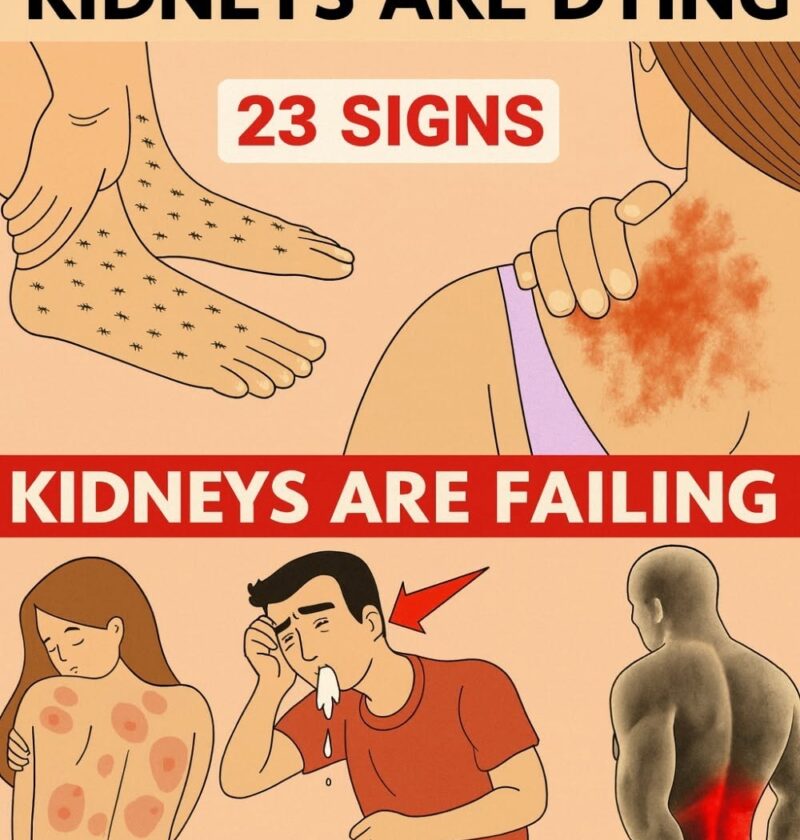
Your kidneys play a vital role in filtering waste, balancing fluids, controlling blood pressure, and supporting overall health. Kidney problems can develop slowly, and early signs may be easy to miss. Many symptoms are not specific to kidney disease, so they should be evaluated in context by a healthcare professional.
23 possible signs your kidneys might be struggling
- Changes in urination
- Urinating more often, especially at night
- Urinating less than usual
- Sudden changes in urine patterns
- Foamy or bubbly urine
- May indicate excess protein in the urine, which can be a sign of kidney damage.
- Blood in the urine
- Pink, red, or cola-colored urine should be checked by a healthcare professional.
- Swelling (edema)
- Puffiness around the eyes, swollen ankles, feet, or hands can occur when the kidneys have trouble removing extra fluid.
- Persistent fatigue
- Reduced kidney function can contribute to anemia and a buildup of waste products that may cause tiredness.
- Difficulty concentrating or mental fog
- Waste buildup and changes in body chemistry can affect thinking and alertness.
- Loss of appetite
- Kidney problems can sometimes cause reduced interest in food.
- Nausea or vomiting
- Advanced kidney dysfunction may lead to digestive symptoms.
- Unexplained weight changes
- Fluid retention can cause sudden weight gain, while illness may contribute to weight loss.
- Dry, itchy skin
- Mineral and waste imbalances associated with kidney disease can contribute to itching.
- Muscle cramps
- Electrolyte disturbances may trigger cramps or weakness.
- Back or side pain
- Kidney infections or kidney stones can cause pain in the flank area.
- High blood pressure
- Kidney disease can raise blood pressure, and high blood pressure can also damage kidneys.
- Shortness of breath
- Fluid buildup or anemia related to kidney disease may contribute to breathing problems.
- Metallic taste in the mouth
- Waste buildup may alter taste and appetite.
- Bad breath
- Some people with advanced kidney disease develop a urine-like odor on the breath.
- Feeling cold more often
- Anemia associated with kidney disease can make people feel unusually cold.
- Pale skin
- Reduced red blood cell production can contribute to paleness.
- Trouble sleeping
- Itching, restless legs, or frequent urination can interfere with sleep.
- Restless legs
- Some people with kidney disease experience uncomfortable sensations in their legs.
- Frequent infections
- Certain kidney-related conditions may affect overall health and immune function.
- Persistent puffiness or fluid retention
- Especially when combined with changes in urination or blood pressure.
- Reduced ability to handle medications
- Poor kidney function can affect how the body clears certain drugs, increasing the risk of side effects.
When to seek medical advice
Contact a healthcare professional if you notice:
- Blood in your urine
- Sudden changes in urination
- New swelling in your legs, face, or around the eyes
- Severe flank pain with fever
- Persistent fatigue, nausea, or unexplained changes in health
How kidney health is checked
Doctors commonly use:
- Blood tests (such as creatinine and estimated glomerular filtration rate, or eGFR)
- Urine tests (to check for protein or blood)
- Blood pressure measurements
- Imaging tests when needed
Many kidney conditions can be managed more effectively when found early, so persistent or unusual symptoms are worth discussing with a healthcare professional.