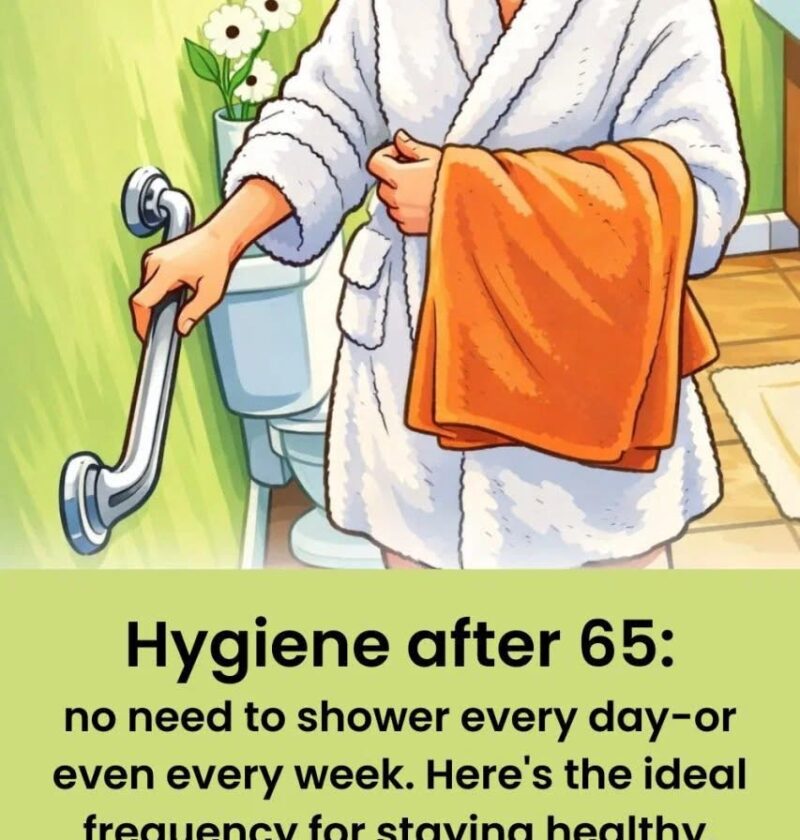
Why Daily Showers After 65 May Do More Harm Than Good
As people get older, the skin naturally changes. It often becomes thinner, drier, and more sensitive, which means showering habits that worked well in younger years may need to be adjusted.
A daily shower is not automatically harmful after age 65, but certain habits—such as very hot water, long showers, and harsh soaps—can contribute to skin problems.
How frequent showering may affect older skin
- Dry, irritated skin
- Aging skin produces less natural oil, and frequent washing can remove protective oils that help maintain moisture.
- This may lead to dryness, itching, flaking, or discomfort.
- Weakened skin barrier
- The skin barrier helps protect against bacteria, irritants, and environmental damage.
- Over-washing can make sensitive skin more prone to irritation.
- Increased itching
- Dry skin is a common cause of itching in older adults.
- Hot showers and strong cleansers can make it worse.
- Higher risk of irritation from products
- Fragranced soaps, body washes, and deodorant products may trigger reactions in sensitive skin.
- Potential worsening of certain skin conditions
- Conditions such as eczema or very dry skin may flare when the skin is frequently stripped of moisture.
What is a healthier shower routine after 65?
Many dermatologists recommend:
- Use warm, not hot, water.
- Keep showers relatively short.
- Use gentle, fragrance-free cleansers.
- Avoid scrubbing the skin aggressively.
- Moisturize soon after bathing while the skin is still slightly damp.
- Focus soap on areas that need it most (such as underarms, groin, and feet) rather than heavily washing the entire body every day.
How often should older adults shower?
There is no universal rule. Some people may benefit from daily showers, while others may do well showering every other day or less often, depending on:
- Skin type
- Activity level
- Sweating
- Climate
- Medical conditions
- Personal preference