It’s important to know that no single sign can reliably predict that someone is in the last year of life. Many older adults experience changes due to aging or chronic illness and may live much longer. However, healthcare professionals do look for patterns that can suggest declining health.
Some signs that may indicate an older adult is becoming more medically fragile include:
- Unintentional weight loss
- Ongoing weight loss or loss of appetite can be associated with serious illnesses, frailty, or advanced chronic disease.
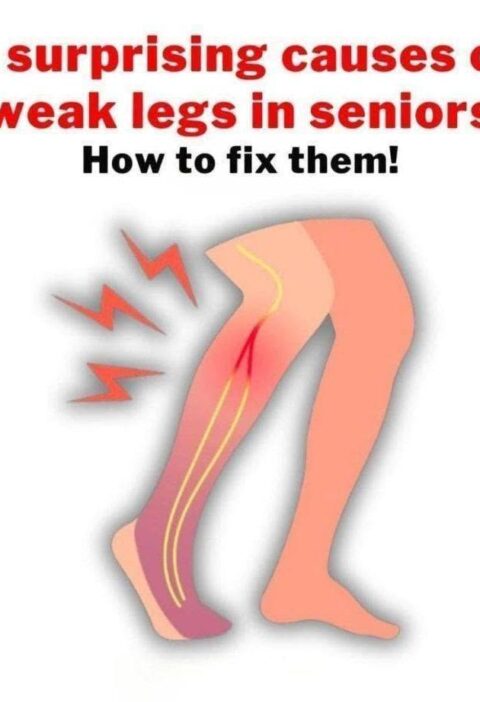
- Increasing weakness and reduced mobility
- Difficulty walking, getting out of a chair, or performing everyday activities may signal worsening health.
- Frequent hospitalizations or infections
- Repeated admissions or recurrent infections can indicate that the body is becoming less resilient.
- Growing dependence on others
- Needing much more help with bathing, dressing, eating, or other daily activities may reflect significant functional decline.
- Persistent fatigue and spending most of the day in bed or a chair
- Marked reductions in energy and activity levels can occur with advanced illness, although they are not specific to the last year of life.
These changes do not necessarily mean a person is nearing the end of life. Many of them can have treatable causes, such as medication side effects, depression, poor nutrition, or infections.
When to seek medical evaluation
A healthcare professional should assess an older adult if there is:
- Rapid or unexplained weight loss
- New confusion or worsening memory
- Frequent falls
- Shortness of breath that is worsening
- Persistent pain
- Recurrent infections
- A sudden decline in function
If someone has a serious illness, discussing goals of care and asking their healthcare team about prognosis and supportive services, including Palliative Care, can help ensure care matches their needs and preferences.
If you’re asking because you’re concerned about a specific elderly person, tell me what changes you’ve noticed, and I can help you think through what they might mean.