If you’re taking Amlodipine (commonly prescribed for high blood pressure or angina), some habits can reduce its effectiveness or increase the risk of side effects. Here are eight habits worth avoiding and why:
- Skipping doses or taking it inconsistently
- Taking amlodipine at different times or missing doses can make your blood pressure harder to control.
- Try to take it at the same time every day.
- Stopping the medication without medical advice
- Suddenly discontinuing amlodipine can lead to worsening high blood pressure or increased chest pain in some people.
- Speak with your healthcare provider before making any changes.
- Drinking excessive alcohol
- Alcohol can enhance amlodipine’s blood pressure-lowering effects, increasing the risk of dizziness, lightheadedness, or fainting.
- Eating large amounts of grapefruit or drinking grapefruit juice
- Grapefruit may increase amlodipine levels in the body, potentially making side effects like swelling, flushing, or low blood pressure more likely. While the interaction is generally less pronounced than with some other medications, it’s still a good idea to ask your healthcare provider whether you should limit grapefruit.
- Using over-the-counter medications without checking first
- Some medicines, including certain decongestants and anti-inflammatory drugs, may affect blood pressure or interact with your treatment.
- Check with a pharmacist or healthcare professional before starting new medications or supplements.
- Smoking
- Smoking damages blood vessels and increases cardiovascular risk, working against the benefits of blood pressure treatment.
- Eating a high-sodium diet
- Too much salt can raise blood pressure, making it more difficult for amlodipine to do its job.
- Reducing processed foods and added salt can help.
- Ignoring side effects
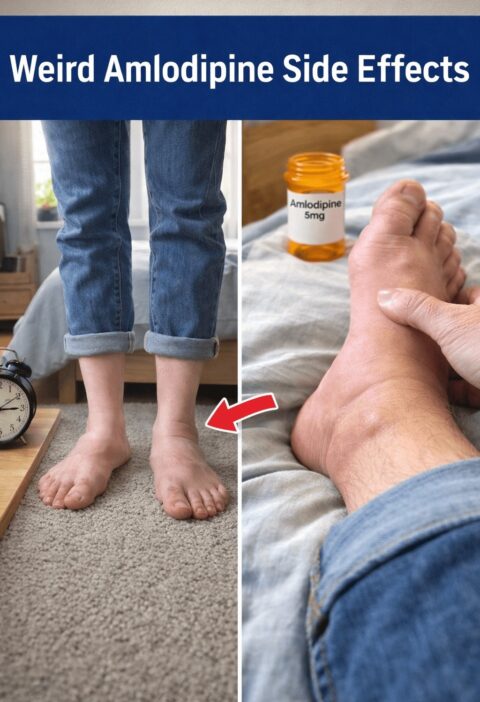
- Common side effects include ankle swelling, headache, flushing, and dizziness.
- If swelling becomes severe, you experience chest pain, difficulty breathing, or fainting, seek medical attention promptly.
Additional tips
- Stand up slowly if you feel dizzy.
- Monitor your blood pressure as recommended.
- Keep regular follow-up appointments with your healthcare provider.
- Stay physically active and maintain a heart-healthy diet unless you’ve been advised otherwise.
If you’re taking amlodipine along with other medications (such as for diabetes, cholesterol, or heart disease), I can also point out any important interactions to be aware of.