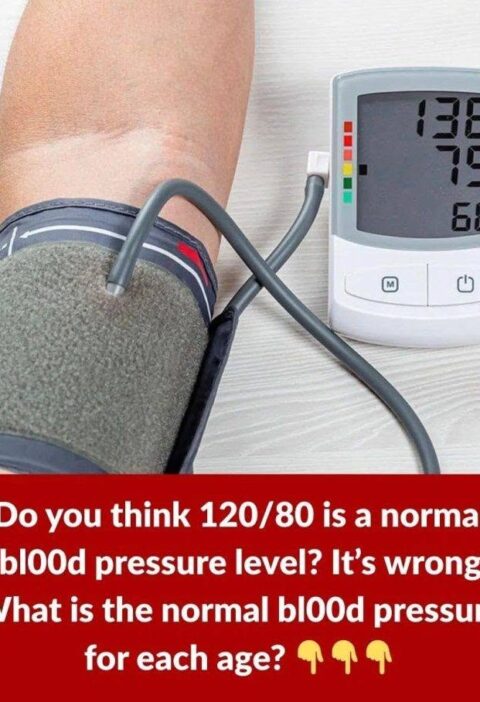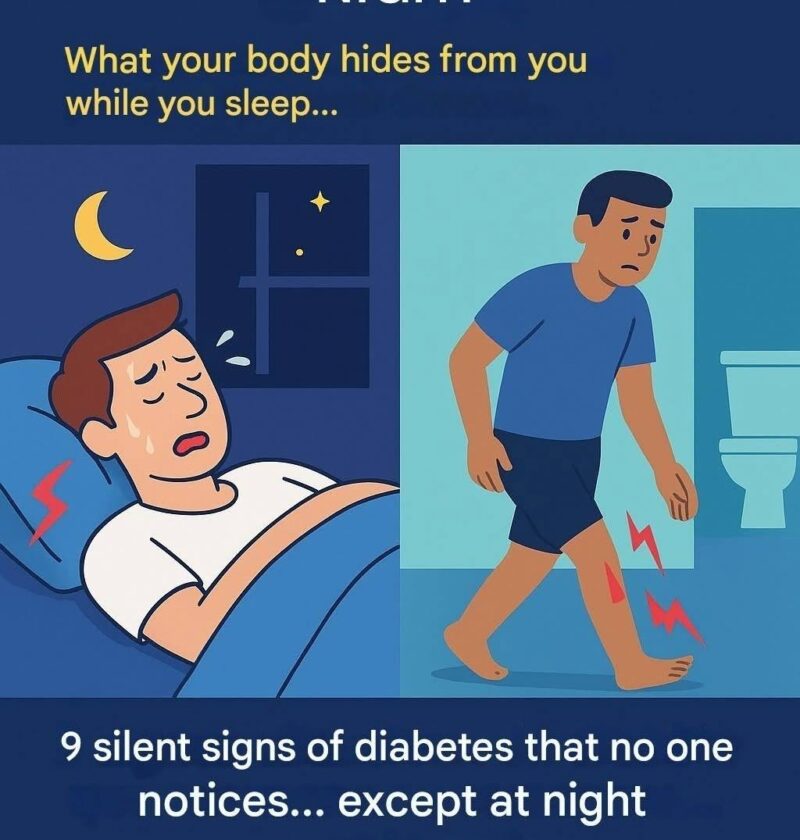
That headline is partly accurate but exaggerated. Diabetes mellitus doesn’t have a specific set of symptoms that only appear at night. However, some signs can become more noticeable overnight or during sleep.
Here are 9 symptoms that may occur at night in people with undiagnosed or poorly controlled diabetes:
- Frequent urination (nocturia) – Waking up multiple times to urinate because high blood sugar causes the kidneys to produce more urine.
- Excessive thirst – Often accompanies frequent urination.
- Night sweats – Can occur if blood sugar drops too low during the night, particularly in people taking insulin or certain diabetes medications.
- Restless sleep – High or low blood sugar may disrupt sleep.
- Leg cramps – Sometimes related to dehydration or nerve problems.
- Tingling or burning in the feet – A possible sign of diabetic nerve damage (neuropathy), which may be more noticeable when lying quietly.
- Sleep apnea – More common in people with type 2 diabetes, especially those with obesity.
- Nighttime hunger – Can occur if blood sugar falls too low overnight in people on diabetes treatment.
- Morning headaches or fatigue – Sometimes related to overnight blood sugar fluctuations or poor sleep.
When to get evaluated
If you have symptoms such as:
- Frequent urination and excessive thirst
- Unexplained weight loss
- Blurred vision
- Persistent fatigue
- Slow-healing wounds
it’s a good idea to see a healthcare professional for testing rather than relying on symptoms alone.
Bottom line
Nighttime symptoms can be associated with diabetes, but they are not specific to diabetes and can have many other causes. The only way to diagnose diabetes is with appropriate blood glucose testing ordered by a healthcare professional. If you’re experiencing several of these symptoms, it’s worth arranging a medical evaluation.