9 Warning Signs Your Kidneys May Be Struggling
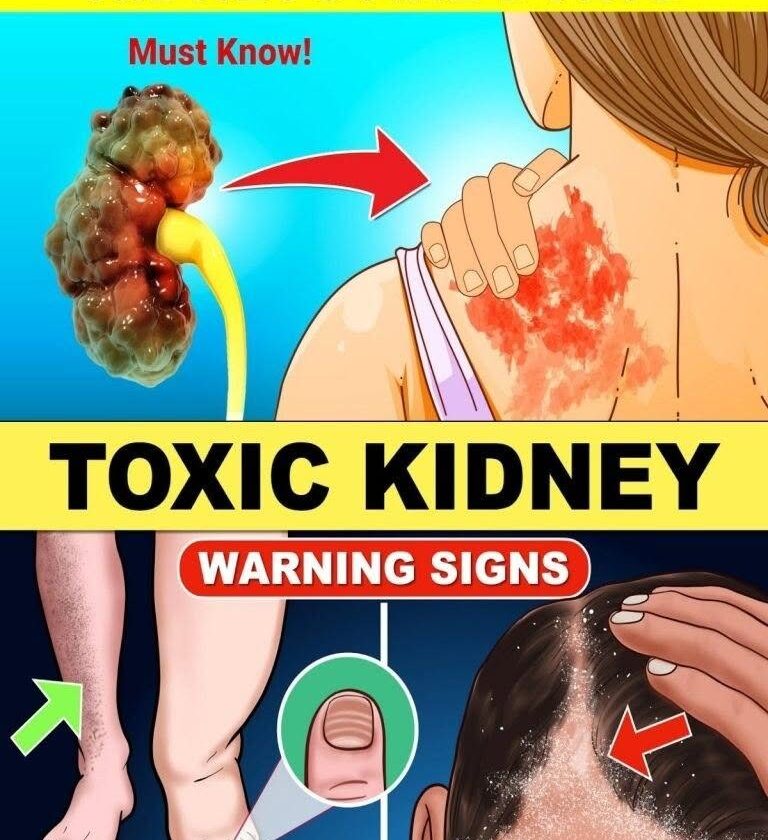
Kidney disease often develops slowly, and early stages may have few or no symptoms. The signs below can occur with reduced kidney function, but they can also be caused by many other conditions. Testing is the only way to know.
1. Changes in urination
- Urinating much more or much less than usual
- Waking frequently at night to urinate
- Foamy urine (which may indicate protein loss)
- Blood in the urine
2. Swelling (edema)
- Swelling in the feet, ankles, legs, hands, or around the eyes can happen when the kidneys retain extra fluid.
3. Persistent tiredness
- Kidney disease can lead to anemia and buildup of waste products, which may cause fatigue and weakness.
4. Nausea or loss of appetite
- Waste buildup in advanced kidney disease can affect digestion and appetite.
5. Itchy skin
- Mineral and waste imbalances can contribute to persistent itching.
6. Shortness of breath
- Fluid buildup or anemia related to kidney problems may make breathing feel difficult.
7. Trouble concentrating or confusion
- Advanced kidney dysfunction can affect the brain through toxin buildup and chemical imbalances.
8. Muscle cramps
- Changes in electrolytes such as potassium, calcium, or phosphorus can contribute to cramps.
9. High blood pressure
- Kidney disease can raise blood pressure, and uncontrolled blood pressure can further damage the kidneys.
Tests That Check Kidney Health
Doctors commonly use:
1. Blood test: Creatinine and eGFR
- Measures how well the kidneys filter waste from the blood.
2. Urine tests
- Check for protein (albumin), blood, or other signs of kidney damage.
3. Blood pressure checks
- High blood pressure is both a cause and a consequence of kidney disease