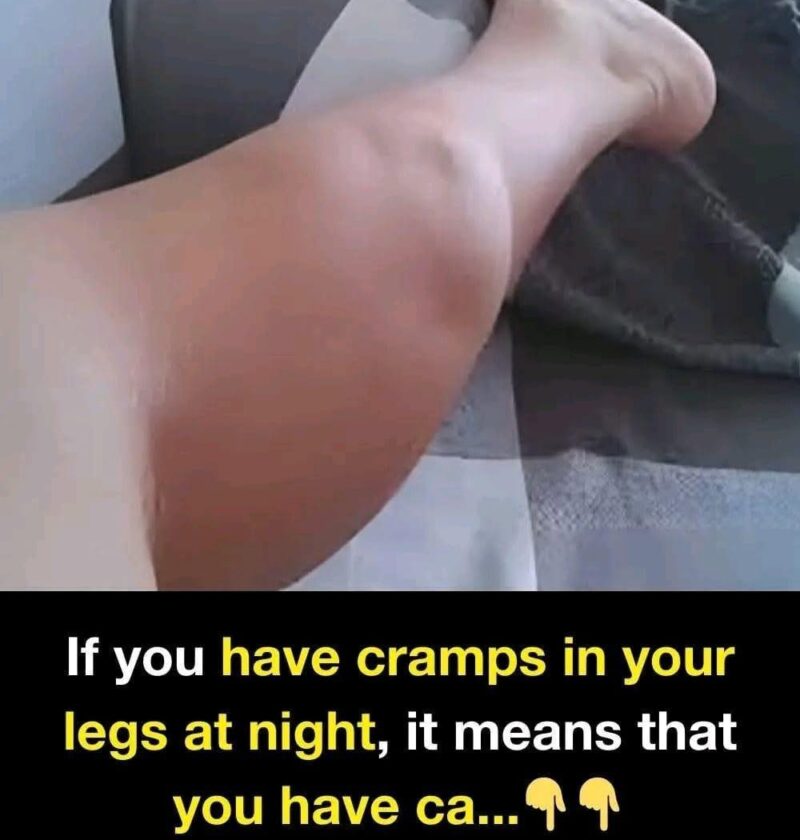
Night cramps (also called nocturnal leg cramps) are sudden, painful muscle spasms that often affect the calves or feet during sleep. They’re common, especially with age, and usually not dangerous—but they can be very uncomfortable.
🦵 Who is most at risk?
Night cramps are more likely in:
👵 1. Older adults
Risk increases significantly with age because:
- muscles lose flexibility
- nerves become more sensitive
- circulation may decrease
🤰 2. Pregnant people
Especially in the 2nd and 3rd trimester due to:
- changes in circulation
- mineral shifts (like magnesium and calcium)
- increased pressure on leg muscles
🧍 3. People who are inactive or sit a lot
Long periods of sitting or lying still can:
- reduce blood flow to muscles
- make muscles more prone to sudden contraction
🏃 4. Athletes or people who overuse muscles
Heavy exercise or muscle fatigue can trigger cramps, especially at night.
💊 5. People on certain medications
Some medicines are linked with muscle cramps, including:
- diuretics (“water pills”)
- some asthma medications
- certain cholesterol-lowering drugs
(For example, Atorvastatin can rarely cause muscle-related side effects in some people.)
🧪 6. People with medical conditions
Higher risk if you have:
- diabetes (nerve involvement)
- circulation problems
- kidney disease
- nerve disorders
⚠️ Important note
Night cramps are usually benign, but they can sometimes signal:
- dehydration
- mineral imbalance (magnesium, potassium, calcium)
- underlying nerve or circulation issues
🧠 What helps reduce night cramps
- Gentle calf stretching before bed
- Staying well hydrated
- Regular light activity during the day
- Warm showers or heat before sleep
- Proper footwear during the day
Some people are advised by doctors to check electrolytes or adjust medications if cramps are frequent.
🚨 When to see a doctor
Seek medical advice if:
- cramps are frequent and severe
- they disturb sleep regularly
- there is swelling, redness, or weakness
- cramps are only in one leg repeatedly
✔️ Bottom line
Night cramps are most common in older adults, pregnant people, inactive individuals, athletes, and those on certain medications or with medical conditions, but in many cases they are manageable with simple lifestyle changes.
If you want, I can also show you quick stretches that actually stop a cramp in seconds when it happens.