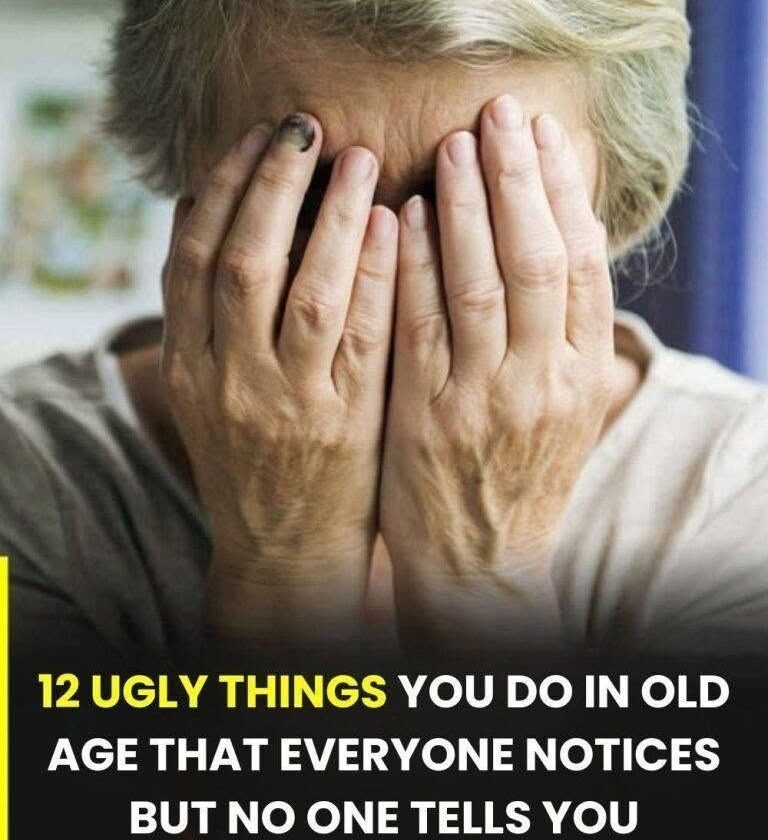
As people age, certain habits or changes may become more noticeable to others. These are general observations, not universal traits, and they vary widely from person to person. Many are related to normal aging, health conditions, or long-standing habits.
Here are 12 examples:
- Speaking more loudly (or more softly)
- Hearing changes can make it harder to judge your own volume.
- Repeating stories or questions
- This can happen because of normal memory changes, distraction, or hearing difficulties. Frequent or worsening repetition may warrant a medical evaluation.
- Moving more slowly
- Changes in muscle strength, balance, or joint health can affect walking speed and mobility.
- Having a more stooped posture
- Age-related changes in the spine, muscles, or bones can contribute.
- Taking longer to make decisions
- Processing speed often slows with age, even when thinking remains sharp.
- Being less comfortable with new technology
- This is influenced more by experience and familiarity than by age itself.
- Talking more about health
- As people get older, medical appointments, medications, and physical symptoms often become a larger part of daily life.
- Needing brighter light to read
- Changes in the eyes make it harder to see in dim lighting.
- Being more cautious
- Older adults may take fewer physical risks because of concerns about falls or injury.
- Napping more often
- Sleep patterns commonly change with age, although excessive daytime sleepiness should be discussed with a healthcare professional.
- Taking longer to recover from illness or physical activity
- Healing and recovery may slow over time.
- Preferring familiar routines
- Many people become more attached to routines because they are comfortable and predictable, though this varies by personality rather than age alone.
What can help support healthy aging?
- Stay physically active with strength, balance, and aerobic exercise.
- Eat a balanced diet with adequate protein, fruits, vegetables, and whole grains.
- Keep your mind engaged through learning, reading, hobbies, or social activities.
- Get regular vision and hearing checks.
- Stay connected with family, friends, and community.
- Review medications periodically with your healthcare provider.
- Prioritize good sleep and regular preventive healthcare.
Aging affects everyone differently. Many people remain physically active, mentally sharp, and socially engaged well into their later years. Rather than focusing on avoiding every age-related change, the goal is to maintain health, independence, and quality of life.