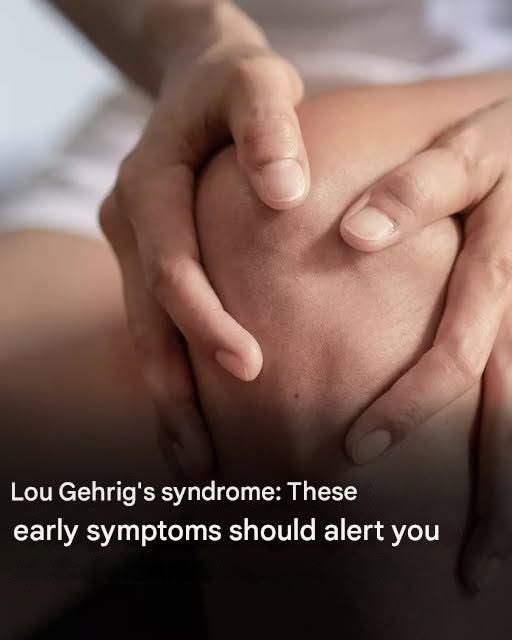
Lou Gehrig’s Syndrome: Here Are the First Symptoms of This Disease
Lou Gehrig’s disease, also known as amyotrophic lateral sclerosis (ALS), is a progressive neurological condition that affects nerve cells responsible for controlling voluntary muscle movement. The disease is named after the famous baseball player Lou Gehrig, who was diagnosed with ALS in 1939 and helped raise awareness of the condition.
ALS affects motor neurons, the nerve cells that send signals from the brain and spinal cord to muscles. As these nerve cells gradually become damaged, muscles lose their ability to receive movement signals, leading to increasing weakness over time.
The early symptoms of ALS can be subtle and may resemble other conditions. Recognizing possible warning signs can help people seek medical evaluation sooner.
1. Muscle Weakness in a Hand, Arm, Leg, or Foot
One of the earliest signs of ALS is often weakness that begins in a specific area of the body. A person may notice:
- Difficulty gripping objects
- Dropping items more often
- Trouble turning keys or opening containers
- Weakness in one leg or foot
- Difficulty with tasks that require fine movements
This weakness usually progresses over time rather than improving.
2. Muscle Twitching (Fasciculations)
Small, involuntary muscle twitches may appear under the skin, especially in the:
- Arms
- Legs
- Shoulders
- Tongue
Muscle twitching can occur for many reasons, including stress, fatigue, caffeine use, or other medical conditions. However, persistent twitching combined with weakness should be evaluated by a healthcare professional.
3. Muscle Cramps and Stiffness
Some people with early ALS experience:
- Frequent muscle cramps
- Tight or stiff muscles
- Difficulty relaxing certain muscles
These symptoms may occur before more noticeable weakness develops.
4. Changes in Speech
When ALS affects muscles involved in speaking, early signs may include:
- Slurred speech
- Speaking more slowly
- Difficulty pronouncing certain words
- Changes in voice quality
Speech changes can also result from many other conditions, so medical evaluation is necessary to determine the cause.
5. Difficulty Swallowing
Some people experience problems with swallowing, known as dysphagia. Early signs may include:
- Coughing while eating or drinking
- A feeling that food is stuck
- Taking longer to finish meals
- Changes in eating habits
Swallowing problems can increase the risk of choking or nutritional difficulties as the disease progresses.
6. Tripping or Problems With Balance
Weakness in the legs and feet may cause:
- Frequent stumbling
- Difficulty climbing stairs
- Trouble walking on uneven surfaces
- A feeling of unsteadiness
These symptoms can appear gradually and may initially be mistaken for normal aging or minor injuries.
7. Changes in Hand Coordination
ALS can affect fine motor skills, making everyday tasks harder, such as:
- Buttoning clothes
- Writing
- Using a phone
- Handling small objects
A person may notice that their hands do not work as smoothly as they used to.
8. Unexplained Muscle Loss
As muscles become less active due to nerve damage, they may begin to shrink, a process called muscle atrophy.
Visible changes in muscle size or strength may occur, particularly in the hands, arms, legs, or shoulders.
Symptoms That Usually Are Not Typical Early Signs
ALS primarily affects motor function. Unlike some neurological diseases, early ALS usually does not cause:
- Loss of sensation or numbness
- Severe pain as the main symptom
- Loss of vision
- Loss of hearing
However, every person’s experience can differ.
When Should You See a Doctor?
A healthcare professional should evaluate persistent or worsening symptoms such as:
- Progressive muscle weakness
- Ongoing muscle twitching with weakness
- Increasing difficulty speaking or swallowing
- Repeated falls or loss of coordination
Diagnosing ALS can be complex because its symptoms overlap with other neurological conditions. Doctors typically use medical history, neurological examinations, and specialized tests to determine the cause.
Can ALS Be Treated?
Currently, there is no cure for ALS, but treatments can help manage symptoms, slow disease progression for some people, and improve quality of life. Care often involves a team of specialists, including neurologists, physical therapists, speech therapists, and nutrition experts.
Final Thoughts
The first symptoms of Lou Gehrig’s disease can be easy to overlook because they may begin with mild weakness, twitching, or changes in coordination. Early medical evaluation is important when symptoms persist or worsen, as it can help identify the cause and connect people with appropriate care and support.
This article is for general information only and is not a substitute for diagnosis or treatment from a qualified healthcare professional.