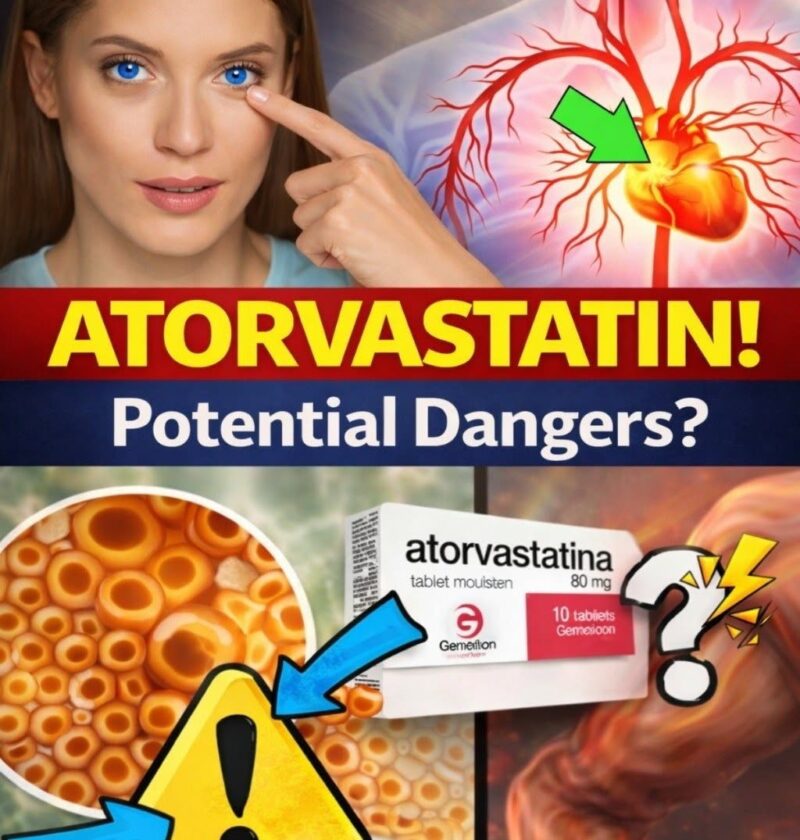
Atorvastatin is a statin medication used to lower LDL (“bad”) cholesterol and reduce the risk of heart attack and stroke. Like all medicines, it can cause side effects, but many claims about “hidden” statin dangers online exaggerate the risks. Most people take atorvastatin without serious problems.
Here are 15 possible side effects and considerations to know:
- Muscle aches or soreness
- One of the most commonly reported concerns.
- It may feel like unexplained aching, weakness, or tenderness.
- Muscle weakness
- New or worsening weakness should be discussed with a healthcare professional.
- Rare severe muscle injury (rhabdomyolysis)
- Very uncommon, but symptoms such as severe muscle pain, weakness, or dark-colored urine require urgent medical attention.
- Mild digestive problems
- Some people experience nausea, diarrhea, constipation, or stomach discomfort.
- Headache
- Headaches can occur, although they are not among the most frequent effects.
- Sleep changes
- Some people report insomnia or unusual dreams, though evidence linking statins to sleep problems is mixed.
- Changes in blood sugar
- Statins can slightly increase blood glucose levels in some people, especially those already at risk for diabetes.
- The cardiovascular benefits usually outweigh this small risk for people who need statin therapy.
- Liver enzyme changes
- Atorvastatin can raise liver enzymes in some people.
- Serious liver injury is rare, but unusual fatigue, yellowing of the skin/eyes, or dark urine should be checked.
- Memory concerns
- Some people have reported temporary memory issues, but large studies have not shown a clear link between statins and permanent cognitive decline.
- Joint discomfort
- Some people report aches that may be difficult to distinguish from other causes.
- Fatigue
- A small number of people notice lower energy levels.
- Mild increases in digestive enzyme changes
- Usually found only through testing and often not clinically significant.
- Interactions with other medicines
- Certain antibiotics, antifungals, heart medicines, and other drugs can increase the risk of side effects.
- Grapefruit interaction
- Large amounts of grapefruit or grapefruit juice can affect how some people process atorvastatin and may increase side-effect risk.
- Vitamin or supplement concerns
- Some supplements may interact with medications. Always tell your healthcare professional about supplements you take.
What you can do today
- Take atorvastatin exactly as prescribed.
- Report new muscle pain, weakness, or unusual symptoms.
- Avoid stopping it suddenly without medical advice.
- Ask your clinician whether cholesterol levels, liver tests, or other monitoring are appropriate for you.
- Maintain heart-healthy habits: regular activity, a balanced diet, healthy weight, and avoiding smoking.
Bottom line: Atorvastatin has real potential side effects, but it is one of the most studied and effective medicines for reducing cardiovascular risk. If you are experiencing symptoms, the best next step is to discuss them with your prescriber rather than stopping the medication on your own.