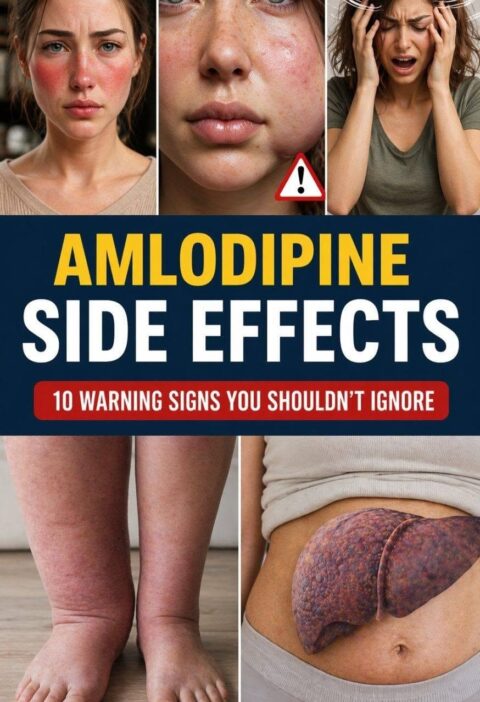
Metoprolol is a beta-blocker medication commonly prescribed for conditions such as high blood pressure, angina (chest pain), certain heart rhythm problems, and heart failure. It works by slowing the heart rate and reducing the heart’s workload.
Like all medicines, metoprolol can cause side effects. Many are mild and improve as your body adjusts, but some require medical attention.
10 common side effects of metoprolol
- Tiredness or fatigue
- Feeling more tired than usual is one of the most frequently reported effects because the medication slows the heart rate and lowers blood pressure.
- Dizziness or lightheadedness
- This may happen especially when standing up quickly due to lower blood pressure.
- Slow heartbeat (bradycardia)
- A slower heart rate is an intended effect, but a very slow pulse can cause weakness, fainting, or dizziness.
- Cold hands and feet
- Reduced circulation to the extremities can make fingers and toes feel colder.
- Sleep changes or vivid dreams
- Some people report unusual dreams, trouble sleeping, or changes in sleep patterns.
- Nausea or stomach discomfort
- Digestive symptoms such as nausea, diarrhea, or abdominal discomfort may occur.
- Shortness of breath or reduced exercise tolerance
- Some people notice they tire more easily during physical activity.
- Weight changes
- A small amount of weight gain may occur in some people, often related to changes in activity level or fluid balance.
- Sexual side effects
- Some people experience reduced libido or erectile difficulties.
- Mood changes
- Less commonly, people report low mood or changes in emotional well-being.
Seek medical advice promptly if you experience:
- Fainting or severe dizziness
- Very slow or irregular heartbeat
- New or worsening shortness of breath
- Chest pain
- Swelling of the legs or sudden weight gain
- Signs of an allergic reaction (such as facial swelling or difficulty breathing)
Important: Do not stop metoprolol suddenly
Stopping it abruptly can cause a dangerous increase in heart rate, blood pressure, chest pain, or other heart-related problems. If you need to stop it, a healthcare professional usually reduces the dose gradually.
If you take metoprolol, the dose, reason for taking it, and your other health conditions all affect which side effects are most relevant.